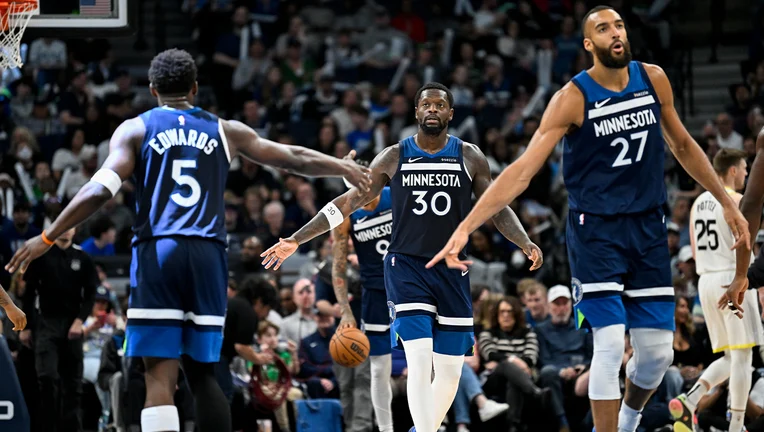
The $1.5 billion sale of the Minnesota Timberwolves officially closed in June 2026, concluding a protracted dispute between departing owner Glen Taylor and the buyer consortium. The transaction represents the largest franchise sale in NBA history by valuation, establishing a new benchmark for mid-market team pricing and demonstrating the structural scarcity driving franchise acquisition costs upward across professional sports. Taylors legal challenge to contest the agreement after signing proved unsuccessful, crystallizing a precedent that binding sale agreements remain enforceable despite seller remorse over valuation premiums achieved during market conditions.
The $1.5 billion Timberwolves valuation crystallizes a bifurcated NBA ownership market. Mega-market franchises Lakers, Knicks, Warriors command $8-10 billion-plus valuations, driven by regional media assets, international brand recognition, and championship pedigree. Mid-tier franchises in secondary markets Timberwolves, Grizzlies, Bucks now range from $1.2-2 billion, representing accessible entry points for institutional capital but still requiring qualified buyer pools. Smaller-market franchises lag significantly, facing valuation pressure and limited buyer interest. This structure reflects investor capital concentration: mega-market franchises attract sovereign wealth funds and billionaire consortiums, while mid-tier markets attract private equity and smaller institutional groups.
The dispute resolution itself signals a governance shift in sports ownership. Taylors post-signature legal challenge violated an implicit industry norm: once a binding sale agreement closes, sellers do not contest terms based on remorse over achieved valuations. This precedent matters because it establishes contractual finality in sports transactions, preventing serial disputes that could destabilize ownership transfers. For prospective sellers, this signals that binding agreements will be enforced even if subsequent market conditions suggest higher valuations were achievable. For buyers, the precedent provides certainty that ownership control will transfer as contracted, reducing due diligence risk and closing delays.
The Timberwolves sale also reflects institutional investor confidence in NBA franchise fundamentals despite uncertain media rights economics. The NBAs media rights auction cycle will conclude in 2026, with broadcasting partners ESPN, Amazon, Nike negotiating renewal terms amid streaming consolidation and viewership flux. Yet the Timberwolves achieved a $1.5 billion valuation in this environment of uncertainty, suggesting investors believe franchise valuations remain defensible regardless of media rights outcomes. This confidence likely reflects NBA ownerships conviction that in-market revenue—ticketing, hospitality, arena naming rights, sponsorship—will insulate franchises from media rights volatility, justifying premium acquisition prices.