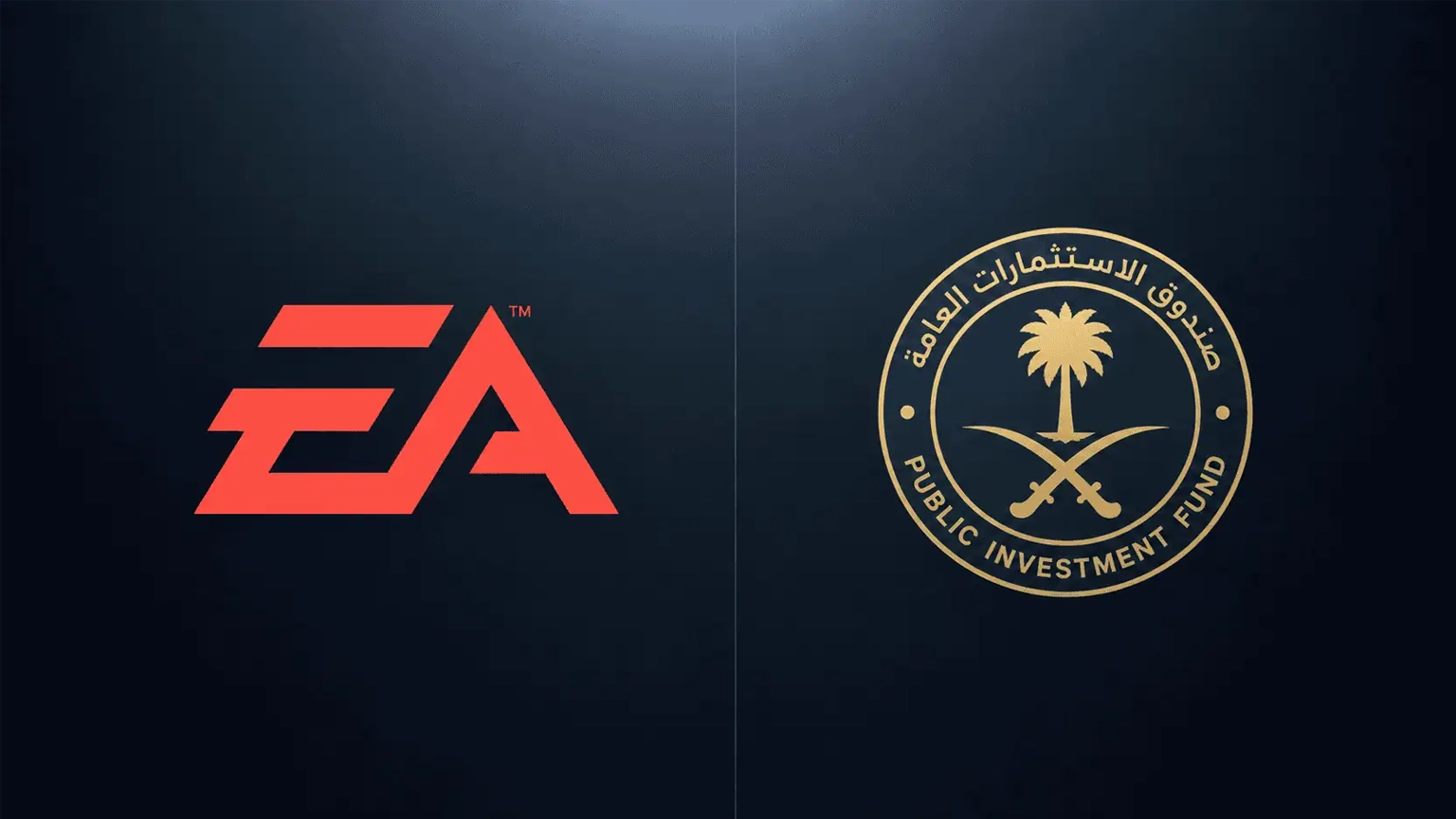
Electronic Arts completed its $55 billion take-private transaction on August 4, delisting from Nasdaq after 37 years as a public company. The consortium behind the deal — Saudi Arabias Public Investment Fund, technology investor Silver Lake and Affinity Partners, the Miami-based firm founded by Jared Kushner — paid $210 per share in cash, closing roughly ten months after the deal was first announced in September 2025 and won shareholder approval in December.
The transaction is the largest leveraged buyout in technology history and the largest take-private of a video game publisher. Silver Lake, which manages roughly $114 billion in assets, brings decades of technology-sector buyout experience; Affinity Partners, with more than $6 billion under management, has built a sports and entertainment-adjacent portfolio since its 2021 founding; PIF has spent the past several years assembling one of the largest gaming and esports portfolios of any sovereign investor, with existing stakes in Nintendo, Take-Two Interactive, Activision Blizzard predecessor entities and Savvy Games Group. EAs franchise stable — Madden NFL, EA Sports FC, Battlefield, Apex Legends and The Sims — continues operating under current leadership, with chairman and CEO Andrew Wilson remaining in place.
Strategically, the deal removes EA from quarterly public-market pressure at a moment when sports and simulation gaming is consolidating around AI-driven production and live-service monetization. Going private gives the new owners latitude to redirect capital toward longer-horizon bets — the companies specifically flagged AI investment in game development and player experience — without the earnings-call scrutiny that constrains public-company Ramp;D cycles. For PIF, the deal extends a strategy already visible in LIV Golf, Saudi Pro League ownership stakes and the kingdoms Esports World Cup: positioning gaming and interactive entertainment as a core pillar of the sovereign funds post-oil diversification rather than a peripheral bet, with EA Sports FC in particular giving PIF direct commercial exposure to the global football audience it has separately courted through club and league investment.
The size of the deal — nearly five times EAs next-largest peer transaction — sets a new reference point for what sovereign and private capital will pay for control of a major sports-and-entertainment software franchise portfolio, at a moment when interactive entertainment increasingly functions as a distribution channel for live sports IP rather than a separate category. EA Sports FC alone carries licensing relationships across FIFA-affiliated leagues, the Premier League, UEFA competitions and Maddens exclusive NFL license, giving the new ownership group leverage points across the same rights ecosystem PIF has been buying into directly through club ownership and event sponsorship.
Other publishers and platform owners with sports licensing portfolios should expect closer scrutiny of their own takeover exposure: the EA deal demonstrates that sovereign-backed consortiums are prepared to pay public-market premiums for durable sports-licensed franchises, and that gaming publishers sitting on similar exclusive-license arrangements are now plausible acquisition targets rather than presumed permanent public companies.