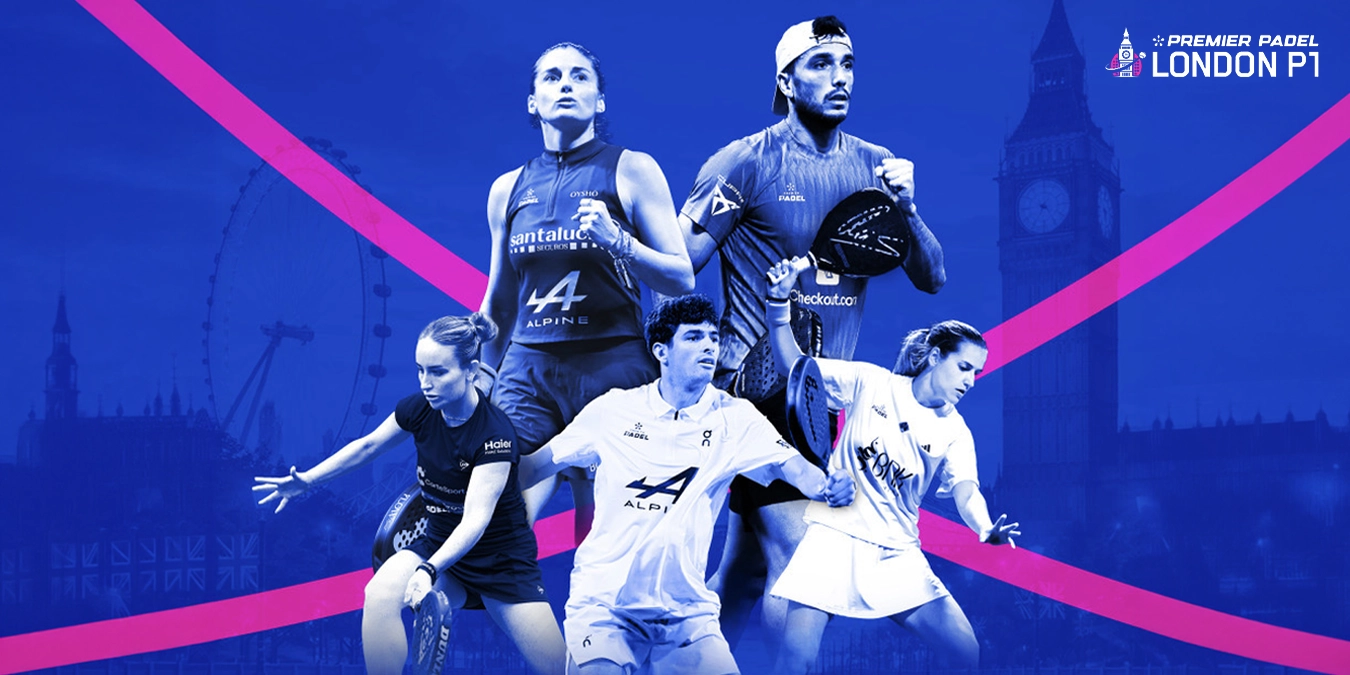
Premier Padel staged its first UK tournament, the London P1, at Olympia London from August 4 to 9, marking the tours expansion into a market it had not previously entered as part of a 2026 calendar that also added South Africa for the first time.
The tour is owned by Qatar Sports Investments, which acquired the rival World Padel Tour and merged it with Premier Padel under a partnership with the International Padel Federation to create a single global professional circuit. That consolidation, completed after QSIs acquisition, gave the combined tour rights to operate across roughly 130 countries and eliminated the competing-calendar problem that had split players, sponsors and broadcasters between two rival series. The 2026 season runs 25 tournaments across 17 countries, with P1 events such as London sitting one tier below the tours Majors, which carry prize pools around €525,000; P1 purses have historically ranged between €250,000 and €525,000.
Londons addition reflects a deliberate strategy of planting the sport in markets with limited padel infrastructure but strong sponsorship and media density. Padels growth has been driven almost entirely by Gulf capital consolidating a fragmented sport into a single commercial property, the same playbook Qatar Sports Investments has applied through its ownership of Paris Saint-Germain and other assets: acquire scattered rights, unify governance, then use that leverage to negotiate broadcast and sponsorship deals a fragmented sport could never secure on its own. Staging a tournament in a major media market like London before the sport has deep grassroots participation there is a bet that the tours commercial value, driven by centralized ownership and a unified calendar, can pull participation growth behind it rather than waiting for it.
For sponsors and broadcasters, a unified, single-owner circuit is easier to underwrite than the split-tour era, when rights and top players were divided between Premier Padel and the World Padel Tour. The London debut also tests whether new markets can be added profitably without diluting prize money or player commitment at existing Spanish and Latin American stops, which remain the sports core fan base. If the UK and South African additions perform commercially, expect Premier Padel to pursue further first-time markets in North America or Asia, continuing to use acquisition and consolidation rather than organic tour growth as its primary expansion tool.
The London P1 also functions as a market test for padels broadcast value outside its established Iberian and Latin American base. Olympia London gives the tour a venue with established sports and entertainment programming credentials, and a strong turnout there would strengthen QSIs case to domestic UK broadcasters and sponsors weighing whether padel deserves a recurring slot alongside tennis and golf coverage. A weak commercial showing, by contrast, would suggest that consolidating ownership was necessary but not sufficient, and that padel still needs years of grassroots participation growth in a market before broadcast and sponsorship demand catches up to the tours ambitions.