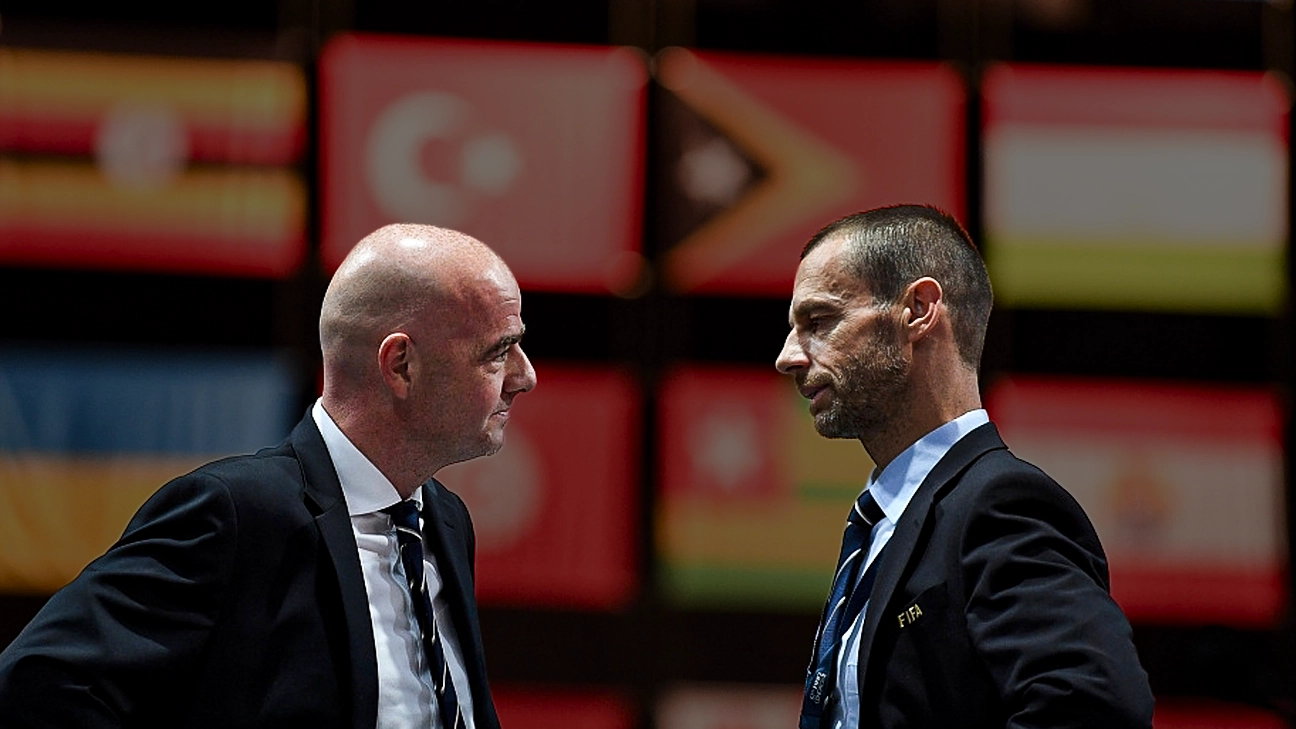
UEFA has warned FIFA it is considering legal action, arbitration and regulatory complaints after a plan to sell private investors a stake in World Cup commercial rights collapsed on August 1. Lawyers for the European body told FIFA it is actively considering formal proceedings and instructed FIFA officials to preserve documents and communications tied to the scheme, known internally as the FFE plan.
The proposal would have created a new entity valued at $20 billion, raising roughly $4.2 billion from outside investors, reportedly including Joshua Kushners investment firm, in exchange for control of FIFAs commercial and tournament operations through at least 2038. FIFA president Gianni Infantino offered each of the organizations 211 member federations a one-time payment of $20 million to approve the plan by a mid-September deadline. UEFAs 55 members instead voted to boycott FIFA competitions while the proposal remained active, and Infantino withdrew it days later after CONCACAF and the AFC also declined to back it. ESPN reported that Infantino has lost UEFAs confidence as a result.
The episode exposes how thin FIFAs governance consensus has become around monetizing its most valuable asset. Selling a multi-decade claim on World Cup revenue to private capital would have locked in financial terms for FIFAs confederations well past the current leadership cycle, and UEFAs objection was as much about process as price: member federations say they were not meaningfully consulted before a deadline was set. That a $20 billion transaction could be proposed and abandoned within weeks signals that FIFAs internal decision-making structure, built around one-country-one-vote parity among 211 federations, is increasingly unable to execute the kind of institutional capital-raising transactions now common across major sports properties, from stakes in the NFL to European footballs own private equity deals in domestic leagues.
The fallout extends beyond this single proposal. UEFA and other confederations have separately discussed staging rival international tournaments, a sign that trust in FIFAs centralized control over the calendar and commercial rights is eroding. If legal proceedings move forward, they would force disclosure of how the FFE plan was structured and who advised on its valuation, details FIFA has kept confidential. For sponsors, broadcasters and potential investors eyeing footballs next big capital event, the collapse raises the bar for any future FIFA-led fundraising and would likely prompt demands for earlier confederation buy-in, clearer governance terms and independent valuation review before member federations are asked to sign off on deals of this scale again.