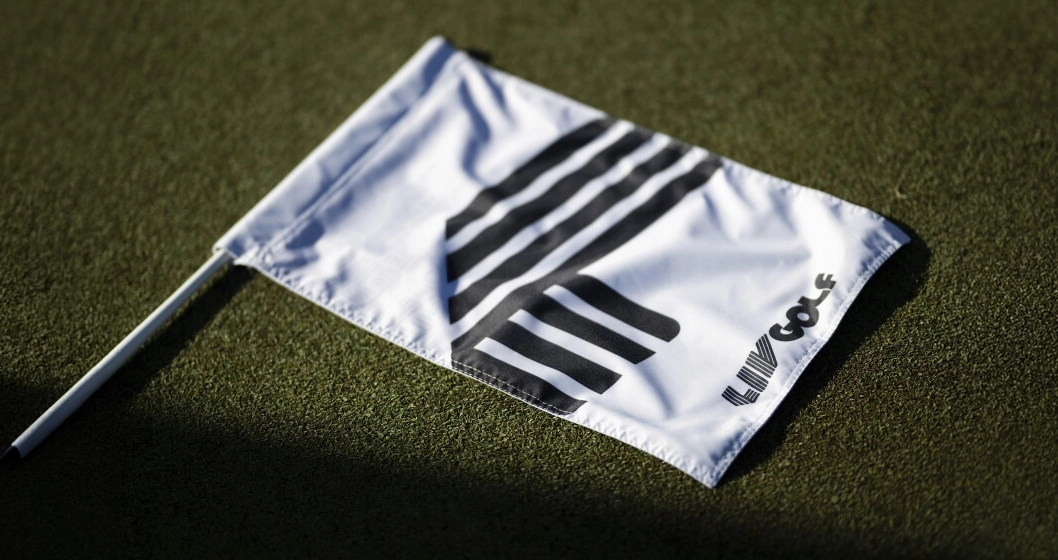
Saudi Arabias Public Investment Fund has confirmed it will stop funding LIV Golf once the 2026 season concludes, ending a financial commitment that has exceeded $5 billion since the leagues first event in June 2022 and that PIF was reportedly sustaining at a rate of roughly $100 million a month this year. PIF said continuing to underwrite the league was no longer consistent with the current phase of its investment strategy, citing its broader investment priorities and current macroeconomic conditions.
The decision reshapes a golf landscape that PIF itself upended four years ago. LIV was created as a direct, PIF-financed challenge to the PGA Tour, luring top players with guaranteed contracts the traditional tour structure could not match. A framework agreement to merge PIFs golf interests with the PGA Tour was reached in 2023, including talks that reportedly extended to meetings at the White House, but that merger was never completed, leaving LIV as a standalone, PIF-funded league operating in parallel with the Tour for three full seasons. PIFs exit does not resolve that unfinished merger question; if anything, it removes the assumption that PIFs ongoing financial backing would eventually force a deal, since LIV must now find its own path to sustainability independent of Saudi capital.
LIV has responded by installing a new, independent board chaired by investment bankers Gene Davis and Jon Zinman, tasked with identifying new long-term financial partners and evaluating strategic alternatives, including early-stage discussions around selling equity in individual LIV teams separately from the league itself, a structure the league describes as diversifying its stakeholder base. Yasir Al-Rumayyan, the PIF governor who has chaired LIV since its founding, is expected to step down, removing the individual most closely associated with the project’s original strategic vision just as the league searches for a commercial identity independent of state backing.
The strategic significance extends well beyond golf. PIFs retreat is one of the clearest signals yet that sovereign wealth capital deployed to build parallel sports leagues from scratch, rather than acquiring stakes in existing, cash-generative properties, carries a shelf life tied to the fund’s shifting domestic priorities rather than to the sporting projects competitive momentum. LIV achieved its goal of disrupting the golf calendar and pulling elite players away from the PGA Tour, but it never established the independent commercial base, in ticketing, sponsorship or broadcast revenue, that would let it survive a withdrawal of its founding backer.
For the wider industry, the episode is a cautionary data point for other sports properties courting sovereign or state-linked capital as a primary funding source rather than a minority co-investor. It also reopens the PGA Tours negotiating position: LIV now needs a deal, or new capital, more urgently than at any point since 2023, and the Tour may find itself able to dictate terms that PIF’s deep pockets previously allowed LIV to resist. Player contracts signed under PIF-era guarantees will be an early test of what a post-PIF LIV can actually afford to honor.