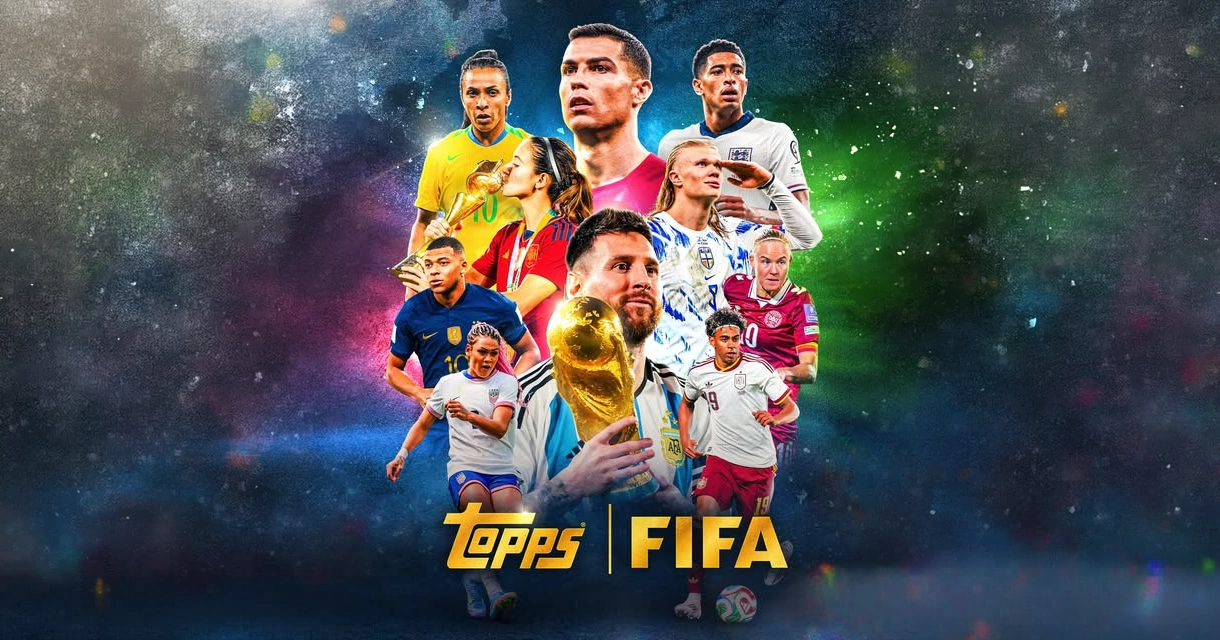
FIFA has signed a long-term, exclusive collectibles licensing agreement with Fanatics covering trading cards, stickers and trading card games, the two organizations announced on May 7. The agreement begins in full from the 2031 cycle, with all products designed and produced by Fanatics Collectibles under the Topps brand, and ends a 56-year partnership between FIFA and Italian sticker maker Panini. Panini has been associated with FIFA World Cup stickers since the 1970 Mexico tournament, and the brands quadrennial sticker album has become one of the most recognizable consumer collectibles programmes in global sport. Under the terms of the new deal, Panini will retain rights through the 2030 mens World Cup, after which Topps and Fanatics will assume exclusivity for trading cards, stickers and trading card games covering the mens and womens World Cups, club competitions and other FIFA properties, across both physical and digital formats. The agreement also commits Fanatics to distribute more than $150 million in collectibles free of charge to youth football programmes globally over the lifetime of the deal. The transition reflects a structural shift in how global sports IP holders approach licensed merchandise. Where Panini built a singular European manufacturing and distribution moat over five decades, Fanatics now offers federations a vertically integrated platform that combines trading cards, jersey patches, NFTs, on-demand printing, e-commerce and event retail under one commercial roof. For FIFA, the appeal is not just royalty maximization but the ability to refresh the collectibles category on a continuous calendar rather than a quadrennial spike, accessing the ongoing fan-engagement and data assets that come with a year-round commerce relationship. The deal also hands Fanatics a flagship soccer property to anchor its global expansion alongside its existing NFL, MLB, NBA and NHL trading-card exclusives. Panini loses its single most valuable global IP relationship and now faces a strategic decision about whether to compete with Fanatics across other federations or retreat to its remaining football contracts and adjacent licenses. For sport-card retailers, distributors and the secondary collectibles market, the transition consolidates further bargaining power inside Fanatics, which already controls the major US team-sport card categories. The structural lesson for other federations and leagues is that the collectibles category is now a platform-economics business, not a manufacturing business, and the next renewal cycles for UEFA, the major club competitions and the regional confederations will be conducted with that reality in view.
FIFA Hands Topps and Fanatics Long-Term Collectibles Deal
Credit: 433