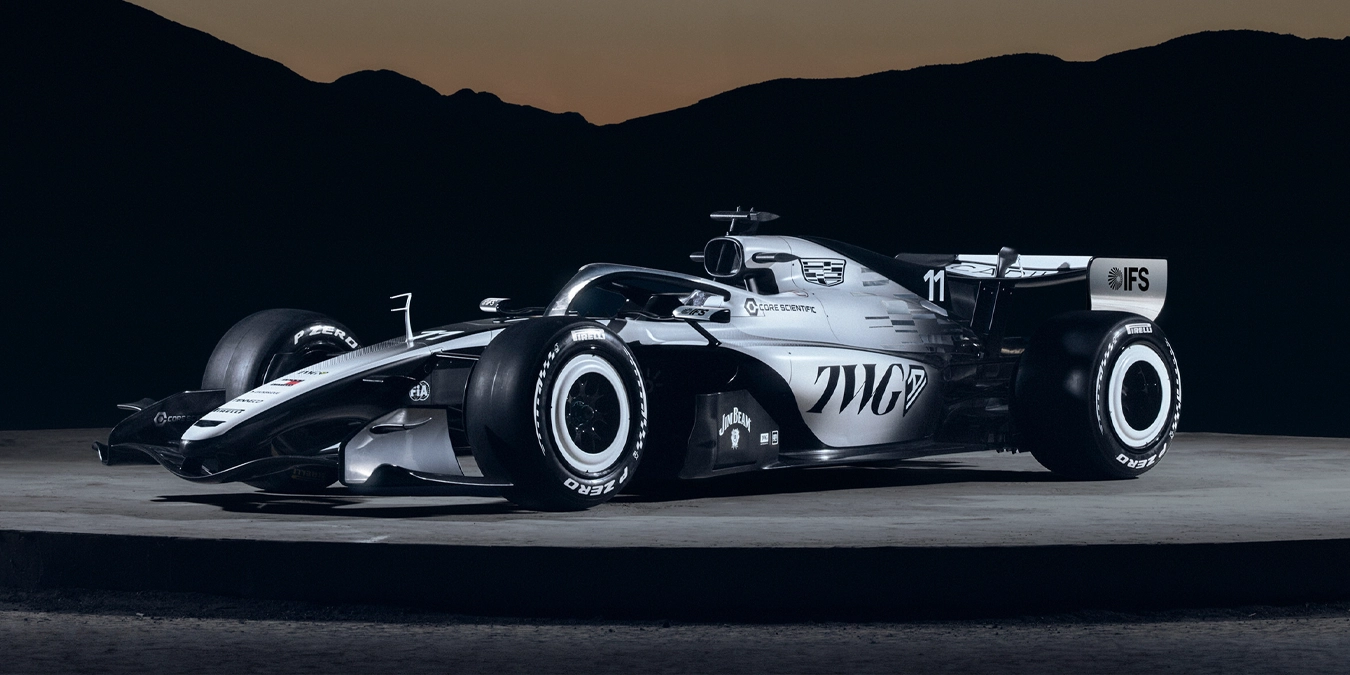
Cadillacs Formula 1 team has appointed Excel Sports Management as its exclusive agency of record for commercial sales and partnership strategy, formalizing the teams approach to sponsorship ahead of its debut season on the 2026 grid.
The team is a joint venture between General Motors and TWG Global, the holding company co-chaired by Mark Walter, with Dan Towriss serving as chief executive of TWG Motorsports. Cadillacs entry required GM and TWG to pay a $450 million anti-dilution fee, more than double the $200 million fee paid by earlier entrants such as Haas, because the prize money pool that had been split among ten teams is now divided eleven ways. The team races out of a Silverstone base, uses Ferrari power units on an interim basis while GM develops its own engine program, and fields Valtteri Bottas and Sergio Perez as its debut lineup.
The size of Cadillacs entry fee reframes what it takes to join Formula 1s grid at a moment when the sports commercial value keeps climbing under Liberty Media ownership. A $450 million payment purely to offset existing teams diluted prize money, before a dollar is spent on cars, personnel or facilities, sets a de facto price floor for any future entrant and signals that F1s ten incumbent teams now treat grid slots as a scarce, monetizable asset rather than simply a competitive opportunity. Handing commercial strategy to Excel Sports Management rather than building an in-house sales function suggests Cadillac is prioritizing speed to market: an established agency can activate sponsorship relationships faster than a newly formed team could construct its own commercial department from scratch, which is important given the fee already sunk into securing the slot.
Cadillacs approach will be watched closely by other prospective F1 entrants and by GMs domestic motorsport rivals, since it tests whether a legacy American automaker can convert F1s growing US audience, built over the past decade through Liberty Medias marketing push and the Netflix Drive to Survive effect, into sponsorship revenue that justifies the entry cost. For F1s existing teams, the $450 million distribution offers near-term compensation for a more crowded grid, but a successful Cadillac commercial ramp would also validate the sports decision to expand from ten teams to eleven, potentially opening the door to future grid growth despite resistance from teams protective of the current revenue split.
Excel Sports Managements mandate covers global partnership development rather than a single region, indicating Cadillac intends to sell inventory across both its US home market and Formula 1s traditional European and Middle Eastern sponsor base simultaneously. That dual-market pitch differentiates Cadillac from teams that built sponsorship books gradually over years on the grid; Cadillac instead enters with an established American consumer brand, a full season of anticipation built during 2025, and now a dedicated commercial agency tasked with converting that attention into signed deals before the car has scored a competitive result.