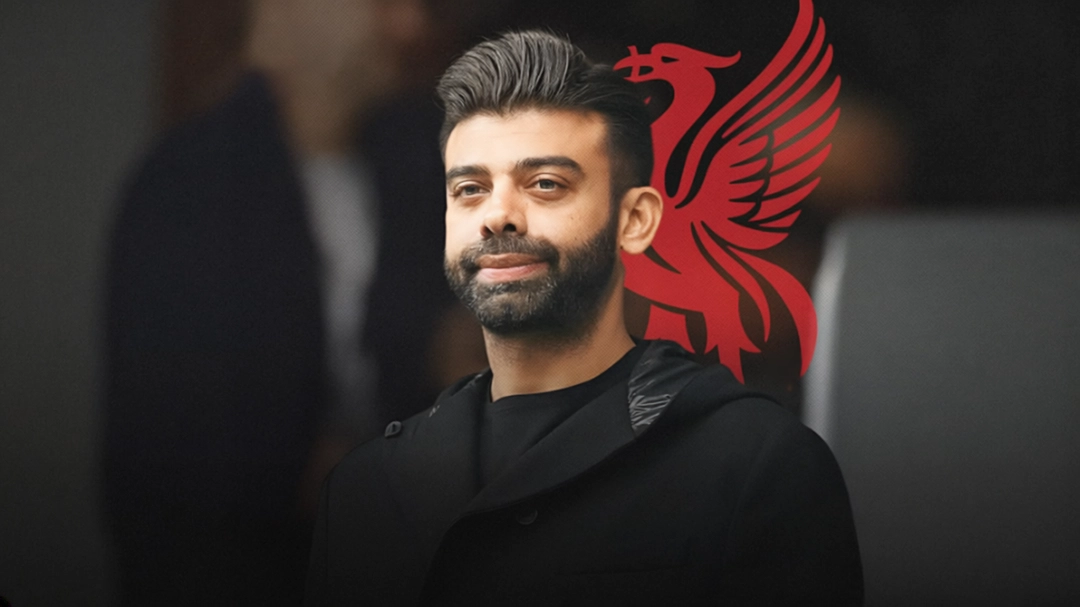
A consortium led by investor Amit Bhatia has offered roughly £1.35 billion for a 30 percent stake in Liverpool Football Club, a proposal that would value the Premier League club at approximately £4.5 billion, or roughly $6 billion. Fenway Sports Group, Liverpools owner since 2010, has confirmed that discussions are ongoing but stressed that they remain preliminary.
Bhatia, son-in-law of steel magnate Lakshmi Mittal, has been in talks with FSG for roughly three months, according to reports on the discussions. Amazon founder Jeff Bezos has separately been named as a potential participant in the consortium, a detail that has drawn attention given Amazons existing position as a Premier League rights holder through Prime Video. FSG has been explicit that it has no interest in ceding control of the club and that a full sale is not under consideration in the current talks; the proposal on the table is for a minority position only. FSG originally acquired Liverpool for $401 million in 2010, meaning the £4.5 billion valuation implied by Bhatias offer would be roughly 15 times the clubs purchase price after 16 years of ownership.
The talks reflect the broader repricing of top-tier European football clubs as global investment vehicles rather than purely sporting assets. A $6 billion valuation places Liverpool in the same financial tier as the Premier Leagues highest-valued clubs and signals that institutional and sovereign-linked capital continues to view elite football clubs as scarce, appreciating assets, even without a change of control. For FSG, selling a minority stake at this valuation would crystallize a substantial portion of its return while allowing it to retain operational control and the option to pursue a further sale, or a full exit, at a later date on more favorable terms.
Should the deal proceed, it would set a new valuation benchmark for Premier League ownership stakes and likely accelerate interest from other investor groups seeking minority positions in top European clubs, particularly as multi-club ownership structures and sovereign-wealth involvement become more common across the sport. It would also renew scrutiny of the relationship between broadcasters and club ownership, given Bezoss dual position as a prospective investor and the operator of a platform that already pays the Premier League for broadcast rights. Regulators and rival clubs are likely to examine that overlap closely if the transaction advances beyond preliminary discussions. The Premier Leagues owners and directors test, along with its profitability and sustainability rules, would also apply to any approved minority stakeholder, meaning the league itself retains a degree of oversight over who ultimately gains economic exposure to one of its flagship clubs, even in a deal that leaves FSG in day-to-day control.