
The National Womens Soccer League awarded its 18th franchise to Columbus, Ohio in late April 2026, with the Haslam Sports Group — owners of the NFLs Cleveland Browns and investors in the NBAs Milwaukee Bucks — agreeing to pay a record expansion fee of $205 million. The Columbus team, backed by a consortium that includes the Edwards family and insurance giant Nationwide, will play home matches at ScottsMiracle-Gro Field alongside MLSs Columbus Crew and is scheduled to begin play in the 2028 season.
The $205 million fee surpasses the previous record of $165 million paid by Arthur Blank for a prospective Atlanta franchise, which was itself agreed only months earlier and contained a clause guaranteeing the fee would be updated to match any higher subsequent valuation — meaning the Columbus deal retroactively raises Atlantas cost as well. The escalation has been extraordinary: NWSL expansion fees stood at $2 million in 2021. In five years, the price of entry has increased by more than 10,000 percent, reflecting both the leagues rapid commercial maturation and the broader revaluation of womens sports as an asset class.
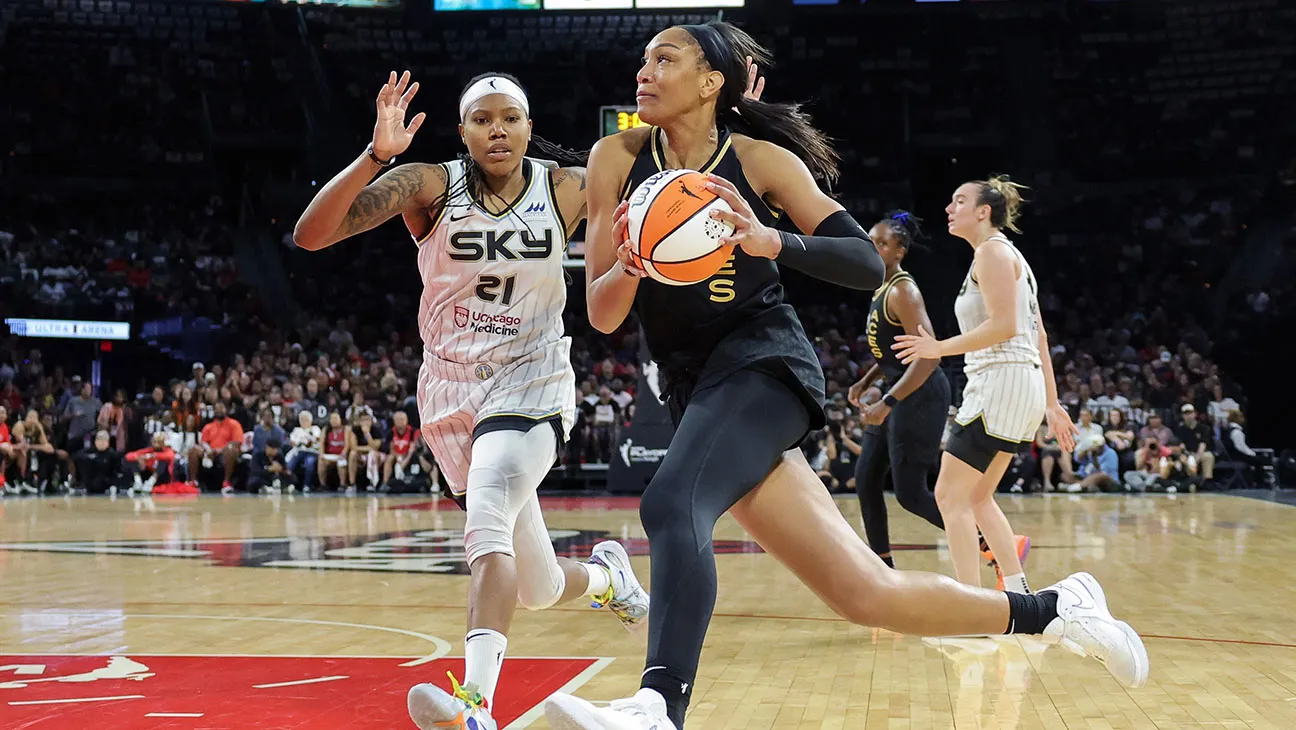
The business case underpinning these valuations is now well-established. The WNBAs $3.1 billion media rights deal with Disney, NBC, and Amazon — confirmed in 2026 — provided institutional proof of what premium broadcasting partners will commit to womens professional sports. The NWSLs own media rights, held by CBS, Paramount, and Prime Video, are due for renegotiation in the coming years, and ownership groups acquiring franchises now are effectively buying into the upside of that next broadcast cycle. The Columbus deal signals that institutional sports investors have concluded that womens football in the United States is a fundamentally underpriced asset relative to comparable mens properties at an equivalent stage of development.
The broader implications for womens sport are structural. As expansion fees compound, the NWSLs collective asset base grows, strengthening its negotiating position with broadcasters, sponsors, and venue operators. The Columbus award also reinforces a pattern of NFL and NBA ownership groups entering womens football, a cross-pollination that brings professional operations infrastructure and deep-pocketed investors into a league that was operating on a fraction of those resources just a decade ago. For the global womens football ecosystem, the NWSLs trajectory provides both a template and a challenge to comparable leagues in Europe and beyond.