Global Formula 1 sponsorship spending is projected to exceed $3 billion for the first time in 2026, according to Ampere Analysis, marking a roughly 15 percent increase from an estimated $2.5 billion in 2025 and pushing the sports total commercial revenue past $3.9 billion.
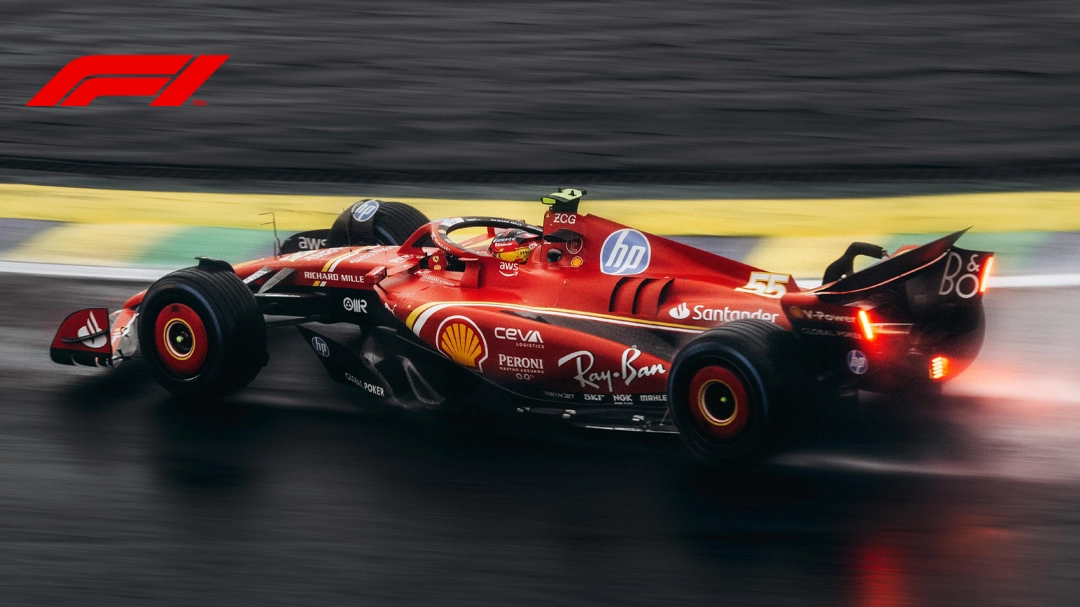
The growth is concentrated among the sports title partners and, increasingly, among technology companies. Oracles extension with Red Bull Racing anchors the market at roughly $110 million annually, with HPs Ferrari partnership near $100 million and Mastercards McLaren deal near $90 million. Newer entrants are adding to the total: Revoluts reported $75 million agreement with Audi and Aramcos roughly $75 million deal with Aston Martin both reflect manufacturers and challenger brands paying premium rates to associate with the sports 2026 regulatory reset, which introduced new power-unit rules and a new manufacturer to the grid. Amperes analysis attributes a significant share of the increase specifically to technology brands, which have surpassed $565 million in F1 sponsorship investment, with eight new partnerships between teams and artificial intelligence companies signed in the past six months alone.
The scale of technology-sector investment is the more consequential signal for the industry. F1s data-rich environment, real-time telemetry, predictive strategy modeling and fan-facing broadcast enhancements have made it an increasingly attractive proving ground for AI and cloud companies seeking a global stage to demonstrate enterprise capabilities, not merely brand visibility. That shift changes the profile of F1s sponsor base: whereas the sports commercial growth over the past decade leaned heavily on financial services and consumer brands, technology partners are now bidding up prices alongside them. This dynamic gives teams more competitive tension in renewal negotiations and diversifies revenue away from any single sponsor category.
Crossing $3 billion in sponsorship spending strengthens F1s position relative to other global motorsport and team-sport properties competing for the same finite pool of marketing budgets, and it raises the price floor for any brand entering the sport for the first time. It also puts pressure on team principals to demonstrate that sponsor-facing data and AI infrastructure translate into genuine performance or engagement value, since the current wave of technology deals is being priced on the assumption that F1s audience and data appeal will keep expanding rather than plateauing after the 2026 regulatory reset.