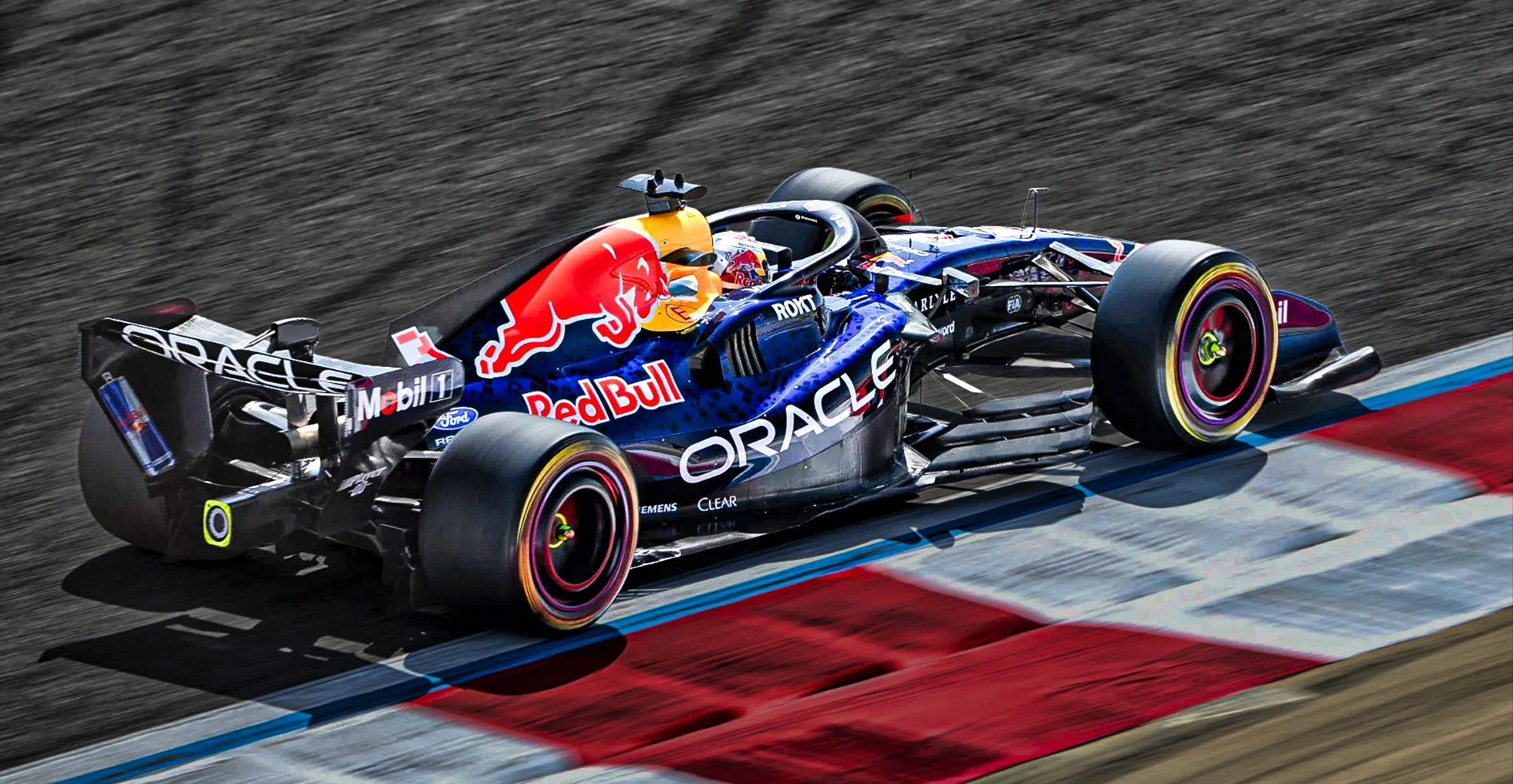
Red Bull has turned down an offer valued at up to $3 billion for Racing Bulls, its junior Formula 1 team, according to multiple reports in the motorsport press. The approach was reportedly backed by Abu Dhabi-based investment funds and fronted by financier Andrew Harriott alongside Dean Attew, a former investigator for ex-F1 supremo Bernie Ecclestone. Neither Red Bull nor the reported bidders have publicly confirmed the approach or its rejection, and the figures remain unverified beyond trade reporting, but the reported number follows a pattern: Red Bull has now reportedly rejected at least two prior approaches for the team, at valuations around $2 billion to $2.3 billion, before this latest bid.
Racing Bulls, based in Faenza, Italy, operates as the second team in Red Bulls unusual two-constructor structure, historically known as Toro Rosso and later AlphaTauri before its current branding. Its primary function has been developmental: blooding young drivers, including several who later graduated to the senior Red Bull Racing team, in competitive Formula 1 conditions before a full promotion. That function has made the team more valuable to Red Bull as a strategic asset than its on-track results alone would suggest, and it explains why ownership has proven resistant to escalating outside offers even as reported valuations have risen by roughly 30 to 50 across successive approaches.
The rejected bid arrives amid a broader repricing of Formula 1 team values that has little precedent in the sports history. Mercedes Toto Wolff recently completed a minority stake sale at a $6 billion valuation for the constructor, Ferrari has been benchmarked near $6.5 billion, and the grid now averages roughly $3.6 billion in estimated value per team, driven by Formula 1s expanding global broadcast footprint, Netflix-fueled fan growth in the United States, and a wave of institutional and high-net-worth investors seeking exposure to a sport with a fixed number of entry slots. Against that backdrop, a reported $3 billion valuation for a team without a championship-winning car is itself a data point about how much of F1s valuation growth is now attributable to scarcity value and media rights exposure rather than competitive performance.
Red Bulls refusal to sell, even at a price that would represent a substantial multiple of what it originally paid to acquire the Faenza operation, signals that current owners view retaining a second entry as more strategically valuable than a large one-time cash return, particularly given Formula 1s cost cap regime, which limits how much a single owners spending advantage can compound across two teams, and the optionality it preserves for driver development and technical collaboration between the two operations.
For the wider industry, the episode reinforces that F1 grid slots are becoming closely held, scarce assets that owners are reluctant to part with even amid rising outside capital, a dynamic that should keep future team valuations elevated and push prospective investors toward minority stakes in existing teams, as Mercedes and others have structured, rather than outright control positions that incumbent owners are not willing to relinquish.