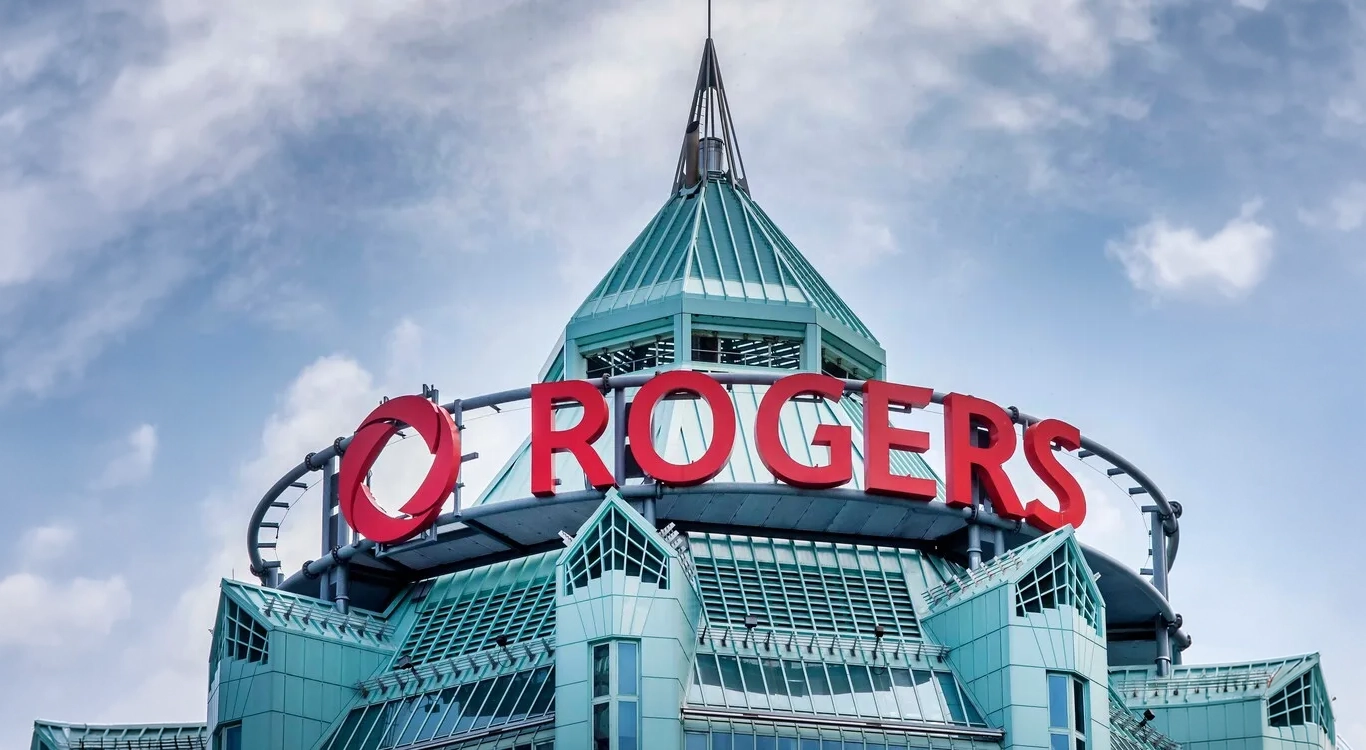
Rogers Communications has confirmed plans to sell a minority stake in its consolidated sports, media and entertainment portfolio, days after finalizing a C$4.35 billion deal to buy the remaining 25 of Maple Leaf Sports amp; Entertainment it did not already own. The MLSE purchase, expected to close in the fourth quarter of 2026, gives Rogers full ownership of the Toronto Maple Leafs, Raptors, Toronto FC and Argonauts, which now sit alongside its existing ownership of the Blue Jays, Rogers Centre and the Sportsnet broadcast network.
Rogers estimates the combined entity will carry a valuation in excess of C$25 billion, an aggregation of virtually every major professional sports property in Canadas largest media market under a single corporate owner. That scale is unusual even by North American standards, where cross-ownership of teams and the networks that broadcast them has typically been more fragmented. Rogers now plans to sell a minority interest in that combined entity to outside investors within the next year, with an announcement targeted for the first half of 2027, subject to the approval of each league involved.
The sequencing matters. Rogers is completing full ownership first, consolidating five franchises, two venues and a national broadcaster into one balance sheet, before inviting in outside capital. That order lets Rogers set the valuation on its own terms, using the completed MLSE buyout as the reference price for whatever stake it ultimately sells, rather than negotiating a partial sale simultaneously with an ownership restructuring. The company has said proceeds from the minority sale will go toward paying down debt, a signal that this is as much a balance-sheet maneuver as a sports investment story: Rogers is monetizing part of an asset it just spent billions consolidating to fund a leaner capital structure elsewhere in the business.
The strategic logic reflects a broader institutional appetite for minority stakes in major league franchises that has built over the past several years, as leagues including the NBA, NHL and MLB have loosened rules on institutional and private equity ownership. Rogers is positioned to capture that demand from a position of strength: it controls 100 of the underlying assets, meaning it can select investors, set governance terms and price a minority stake without a co-owners competing interests complicating the process, an advantage many team sales lack when multiple existing owners must agree on structure and price.
For the wider industry, this transaction offers a test case for how much value the market assigns to a vertically integrated regional sports empire, one that combines team ownership, venue ownership and the broadcast rights that monetize them, rather than a single-team stake sold in isolation. If Rogers achieves a valuation meaningfully above the sum of comparable standalone franchise sales, it will validate the thesis that bundling teams with media and real estate assets creates value beyond what any single property commands alone, a model other large media conglomerates with sports holdings will watch closely as they weigh their own consolidation or divestment decisions. League approval processes for the incoming minority investors will also be closely watched, given the scale and cross-franchise nature of the stake being sold.