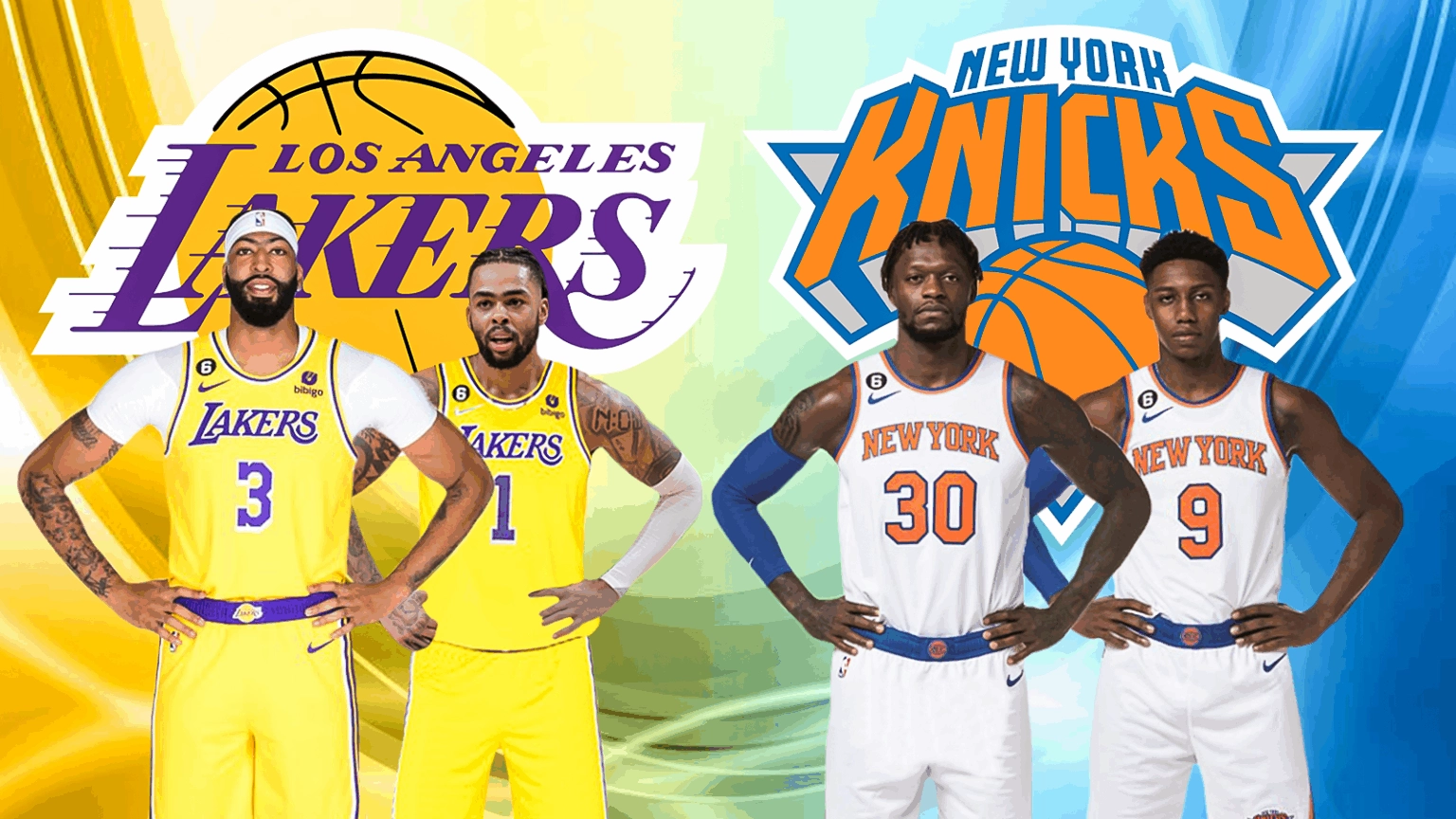
The NBA released its 2026-27 national broadcast schedule on August 13, the first built entirely around the leagues 11-year, $76 billion media rights agreement with Disney ESPN/ABC, NBCUniversal NBC/Peacock and Amazon Prime Video. The New York Knicks, Philadelphia 76ers, San Antonio Spurs and Los Angeles Lakers each secured 34 national television appearances, the most of any franchise, while the Brooklyn Nets, Milwaukee Bucks, Sacramento Kings, New Orleans Pelicans and Memphis Grizzlies were allotted two apiece.
The schedule is the first tangible output of a deal signed in 2024 that ended Turner Sports four-decade run as an NBA broadcast partner and replaced it with a three-way arrangement running through the 2035-36 season. NBC returns to NBA coverage after a 23-year absence, Amazon enters live NBA broadcasting for the first time, and ESPN retains a reduced but still central role. Each partner now programs its own exclusive windows and marquee packages, a structural shift from the prior single-negotiation model that concentrated inventory across fewer platforms.
The distribution of games reveals how the three broadcasters are underwriting a $76 billion commitment: national exposure is being funneled toward markets and rosters with the clearest audience pull rather than spread evenly across the league. Knicks and Lakers games carry built-in ratings floors independent of season performance, while the Spurs inclusion reflects the value networks place on Victor Wembanyama as a demand driver in only his third season. That concentration effect matters commercially because national windows carry the advertising rates, sponsorship inventory and streaming-subscription pull that justify the rights fee; teams left with minimal national exposure lose leverage in local media negotiations and national marketing conversations alike.
For the broadcasters, the schedule is an early test of whether splitting NBA rights three ways dilutes or multiplies reach. Amazons Prime Video windows give the league its first embedded presence inside a subscription commerce ecosystem, a distribution logic distinct from ESPNs cable-and-streaming hybrid or NBCs broadcast-plus-Peacock model. Each partner will use its NBA windows differently — Amazon to deepen Prime engagement, NBC to rebuild live-sports habit on broadcast and Peacock, ESPN to defend its position as the leagues flagship partner — and the league benefits from three distinct promotional engines competing for the same product rather than one.
The broader signal for the industry is that live sports rights are increasingly allocated by audience-optimization logic rather than uniform distribution, a pattern already visible in the NFLs multi-network model and now fully adopted by a league that had concentrated exposure around TNT for decades. Leagues negotiating their next rights cycles — including several European football properties evaluating international media structures — are watching how the NBAs fragmented-but-optimized approach performs in year one, both in ratings and in what it does to the balance of exposure between large- and small-market franchises.