
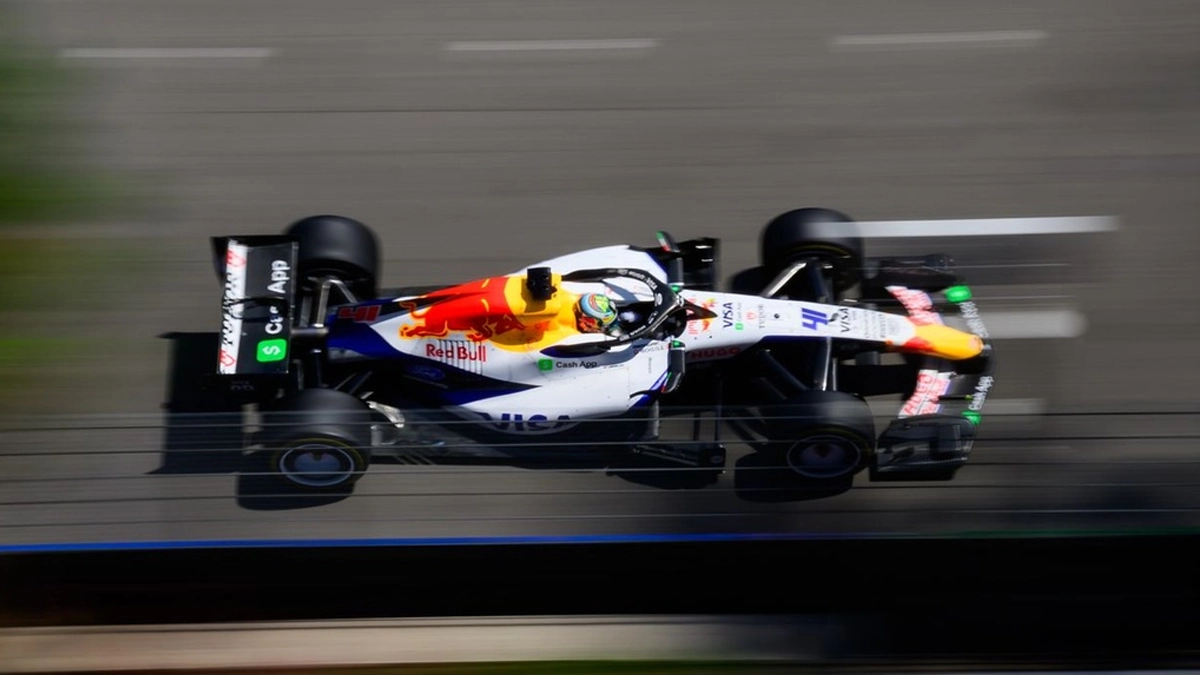
The Fédération Internationale de lAutomobile FIA has ratified comprehensive power unit technical regulation changes for Formula 1 2027-2028, establishing a structural shift toward increased internal combustion engine output and reduced battery/energy recovery system deployment requirements. The regulations mandate a 5 fuel-flow increase in 2027 and 13 in 2028, delivering approximately 50 kilowatts 67 brake horsepower additional ICE output, while simultaneously reducing energy recovery system deployment power by equivalent magnitude. The rebalancing reflects institutional recognition that hybrid power unit complexity has constrained driver performance and drivability characteristics, motivating regulatory simplification prioritizing direct throttle response over hybrid energy management sophistication.
The technical shift carries substantial financial and operational implications for power unit manufacturers competing in Formula 1. Current hybrid power unit architecture demands sophisticated energy management systems, battery optimization technologies, and hybrid deployment strategies requiring specialized engineering expertise and significant capital investment. The 2027 regulations reduce energy recovery system deployment power, diminishing the competitive value of marginal battery and hybrid system improvements, thereby reducing engineering resource allocation requirements for hybrid system optimization. Conversely, the 5-13 fuel-flow increase emphasizes ICE development and combustion efficiency, potentially favoring manufacturers with established high-performance internal combustion engine expertise.
The competitive dynamics among power unit manufacturers are reshaping accordingly. Established OEM participants Mercedes, Ferrari, Honda, Aston Martin Aramco with mature ICE development programs benefit from regulatory emphasis on fuel efficiency and combustion optimization. Newcomer power unit suppliers e.g., Audi, which is entering F1 in 2026 face technical complexity in optimizing ICE performance within fuel-flow constraints while maintaining hybrid system functionality. The regulatory transition period 2027-2028 provides manufacturers time to recalibrate development programs and resource allocation, but creates competitive uncertainty for teams committing to power unit partnerships before regulatory impact is fully understood.
The governance and competitive implications extend beyond technical specifications. The FIAs regulatory evolution reflects stakeholder pressure from drivers demanding improved drivability, teams seeking cost containment and technical predictability, and manufacturers managing engineering complexity and development expenditure. Formula 1s regulatory structure should balance competitive equity, technical innovation, manufacturer viability, and sporting integrity. The 2027 modifications represent regulatory fine-tuning rather than fundamental transformation, suggesting that institutional consensus among FIA, teams, and manufacturers regarding hybrid power unit viability has solidified. For prospective power unit entrants and series competitors, the 2027 regulations provide technical clarity enabling medium-term strategic planning and capital allocation certainty.