Major League Baseball has restructured its domestic media rights landscape for 2026–2028, signing comprehensive agreements with Netflix, NBC, and ESPN that consolidate streaming distribution and signal the industrys definitive shift away from legacy broadcast models. The deal maintains existing partnerships with Fox and Turner Sports while introducing Netflix as a marquee rights holder, marking the first time a streaming-native platform has secured opening-night exclusivity across consecutive seasons.
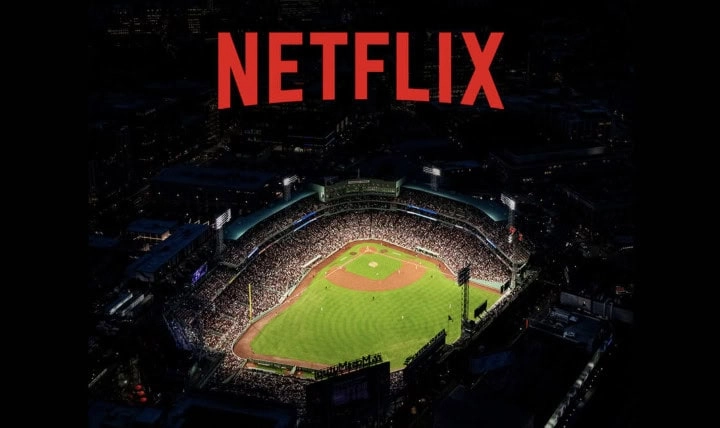
The strategic architecture of the new deal reflects baseballs recalibration toward digital-first consumption. Netflix will broadcast Opening Night games in 2026, 2027, and 2028, establishing the platform as the exclusive entry point to the baseball season for its 260 million subscribers globally. The streamer will also manage exclusive coverage of the T-Mobile Home Run Derby, special event games, and international properties including the World Baseball Classic in Japan. NBC assumes select games previously distributed by ESPN and Roku, consolidating them on NBC proper, the reconstituted NBC Sports Network, and Peacock. This architecture concentrates viewership across fewer distribution points while maximizing reach through bundling.
The consolidation accelerates a multi-year trend toward platform oligopoly in sports media. Legacy broadcasters Fox, Turner retain premium content, while ESPN and NBC focus on high-frequency regular-season and playoff inventory. Streaming platforms Netflix, Peacock gain prestige events and opening-night exclusivity to drive subscriber growth. The result is a three-tiered system: legacy broadcasters control Sunday/primetime, streaming platforms control tentpole events, and the traditional ESPN model—volume-based cable distribution—becomes a secondary tier. This realignment reduces total number of distribution partners and increases per-partner revenue concentration.
For MLB, the consolidation solves multiple strategic problems. Streaming platforms provide guaranteed subscriber commitments that offset declining cable viewership. Prestige events Opening Night, World Series migrate to platforms with global reach, expanding international viewership and monetization. Regional sports networks, facing collapse from cord-cutting, cede market share to centralized platforms. The precedent carries existential implications for leagues without equivalent streaming partnerships. NBA, NFL, and NHL are watching baseballs consolidation closely; all three face similar cable erosion and must decide whether to prioritize per-entity revenue maximization or subscriber reach. MLBs choice to centralize suggests the industry consensus has shifted toward reach, with revenue optimization following as a secondary consideration.
MLB Restructures Media Rights; Netflix Gets Opening Night