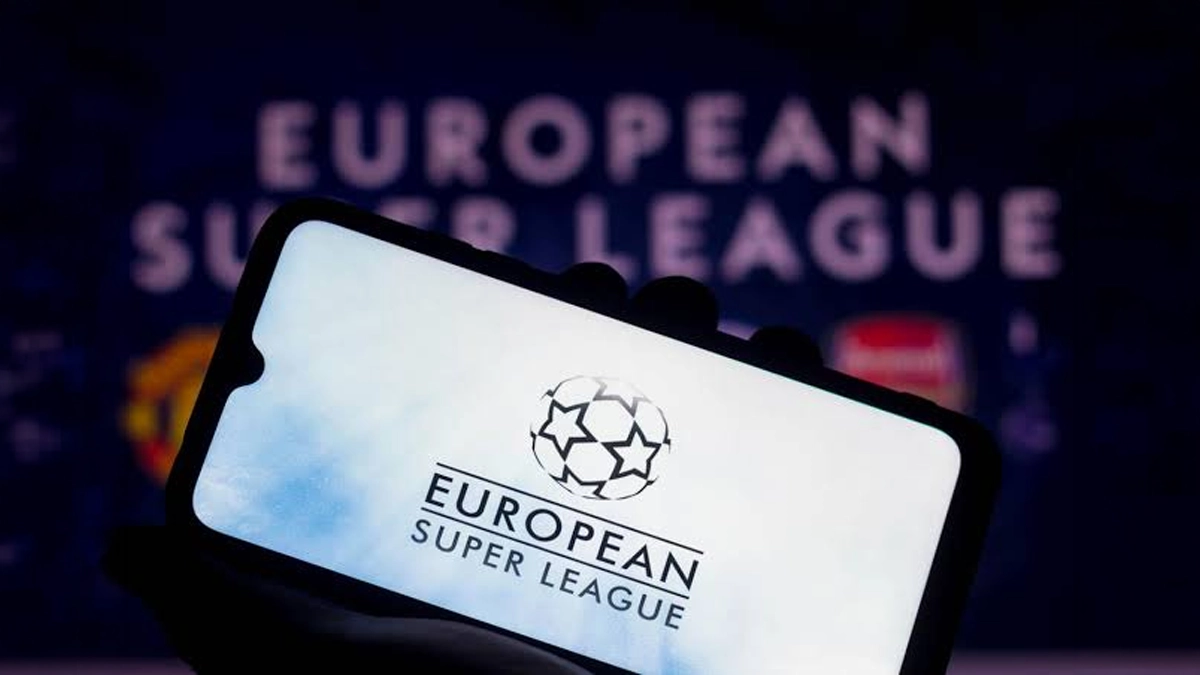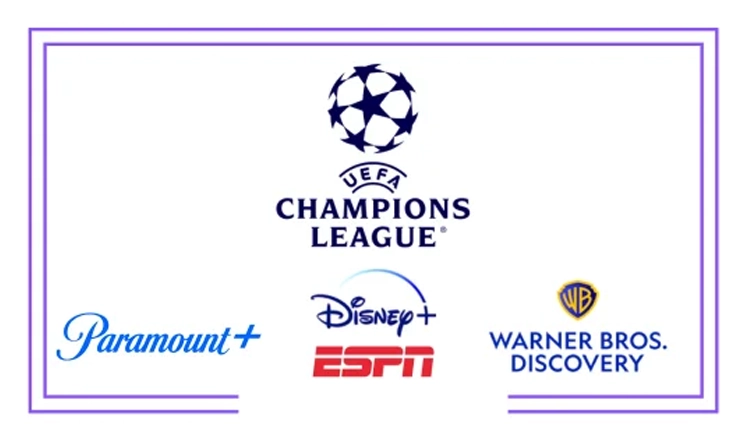
The European Super League, a proposed breakaway continental football competition, has shifted strategic approach toward direct negotiation with UEFA to achieve structural reforms to the Champions League rather than pursuing independent competition launch. A22, the company representing Super League interests, has concluded eight months of confidential negotiations with UEFA officials and representatives from Real Madrid and Barcelona, submitting final reform proposals including a restructured 36-team Champions League format launching in 2027 coinciding with expiration of current Champions League broadcasting rights. The negotiation pivot signals institutional recognition that outright breakaway competition faces insurmountable regulatory and institutional obstacles, while Champions League structural reform offers pathway to achieve competitive objectives through federation-endorsed governance evolution.
The Super Leagues revised proposal prioritizes a UNIFY global streaming platform, designed to distribute European elite football to worldwide audiences through free ad-supported and premium subscription models. The streaming infrastructure innovation addresses historical limitations of traditional broadcast models, which fragment viewership across multiple territorial broadcast rights holders and restrict availability in certain geographic markets. UNIFY would provide unified content distribution infrastructure enabling consistent fan experience globally while capturing streaming revenue previously dispersed among multiple broadcasters. The streaming model innovation distinguishes the current Super League proposal from previous iterations, framing the initiative as a broadcast infrastructure modernization rather than purely competitive restructuring.
The regulatory and governance implications for UEFA, national football federations, and EU competition authorities remain contested. UEFA has denied making substantive changes to Champions League format in response to Super League pressure, maintaining institutional autonomy over competition architecture. However, the timing of the 2027 Champions League rights renewal coinciding with Super League structural negotiations creates natural leverage points for reform discussions. If UEFA and Super League stakeholders reach negotiated settlement establishing the 36-team format with UNIFY streaming infrastructure, the outcome would represent a material governance precedent—allowing Super League competitive objectives to be achieved through federation reform rather than breakaway competition.
The strategic outcome implications for club ownership, player compensation, and institutional governance structures are substantial. If Super League reform is successfully negotiated and 2027 Champions League format reflects negotiated changes, institutional precedent is established that major stakeholder coalitions can achieve structural reform through persistent negotiation and institutional leverage. Alternatively, if negotiations fail and Super League attempts independent competition launch, regulatory opposition from UEFA, national federations, and government authorities would likely prevent successful execution. For institutional investors, club ownership stakeholders, and commercial partners evaluating long-term European football landscape, clarity on Super League status versus UEFA negotiation outcome represents material uncertainty affecting strategic decision-making timelines.
European Super League Revival Pivots to 2027 UEFA Negotiation Strategy