
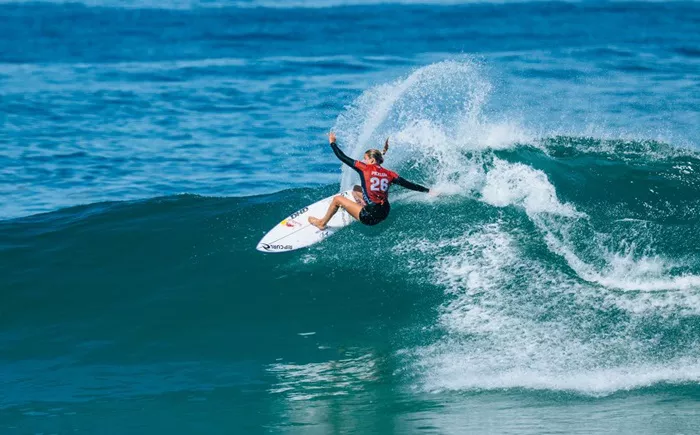
The World Surf League has engaged Raine Group to manage a formal process to evaluate new investment or a full sale of the organisation, following what the WSL describes as a significant volume of inbound interest from prospective buyers and partners. The league, which operates professional surfings premier competitive circuit across both mens and womens divisions, boasts 80 million annual viewers across linear and digital platforms and 1.3 billion social media consumers, with both figures reported to be approximately 40 percent higher than the prior year. A data point the WSL is actively promoting to potential investors is the demographic profile of its audience: an average fan age of 38 and a high proportion of followers who do not consume other major professional sports.
Raine Group brings considerable credibility to the process. The advisory firm has previously managed transactions involving Manchester United, Chelsea, the PGA Tour, and UFC, and its involvement signals that the WSL is approaching this process with institutional seriousness rather than as an exploratory exercise. The range of potential acquirer categories is broad: media companies seeking live event content with a distinctive audience profile, existing sports organisations looking to add a complementary outdoor property, private equity firms attracted by the valuation gap between the WSLs audience scale and its current commercial infrastructure, and high-net-worth individuals with strategic interests in the outdoor and wellness markets.
The timing of the sale process is significant. The WSL recently divested its majority stake in Kelly Slaters Surf Ranch wave pool facility in Lemoore, California, selling to a group of investors including Los Angeles-based businessman Joseph Self and Slater himself, which simplifies the WSLs balance sheet and reduces the complexity of any potential acquisition of the core competition business. The wave technology segment of the surfing economy remains a separate and rapidly developing market, but for the purposes of this transaction, the WSL is presenting itself as a focused competition and media rights business rather than a diversified leisure enterprise.
The broader implication of the WSLs process is what it signals about the current appetite for non-mainstream sports properties among institutional and media investors. In a market where major league franchise valuations in the hundreds of millions of dollars now screen as inaccessible to many capital pools, action sports organisations with credible global audiences and established content libraries represent an increasingly attractive alternative. If the WSL transacts at a meaningful valuation, it will establish a commercial reference point for other action and outdoor sports organisations contemplating similar processes.