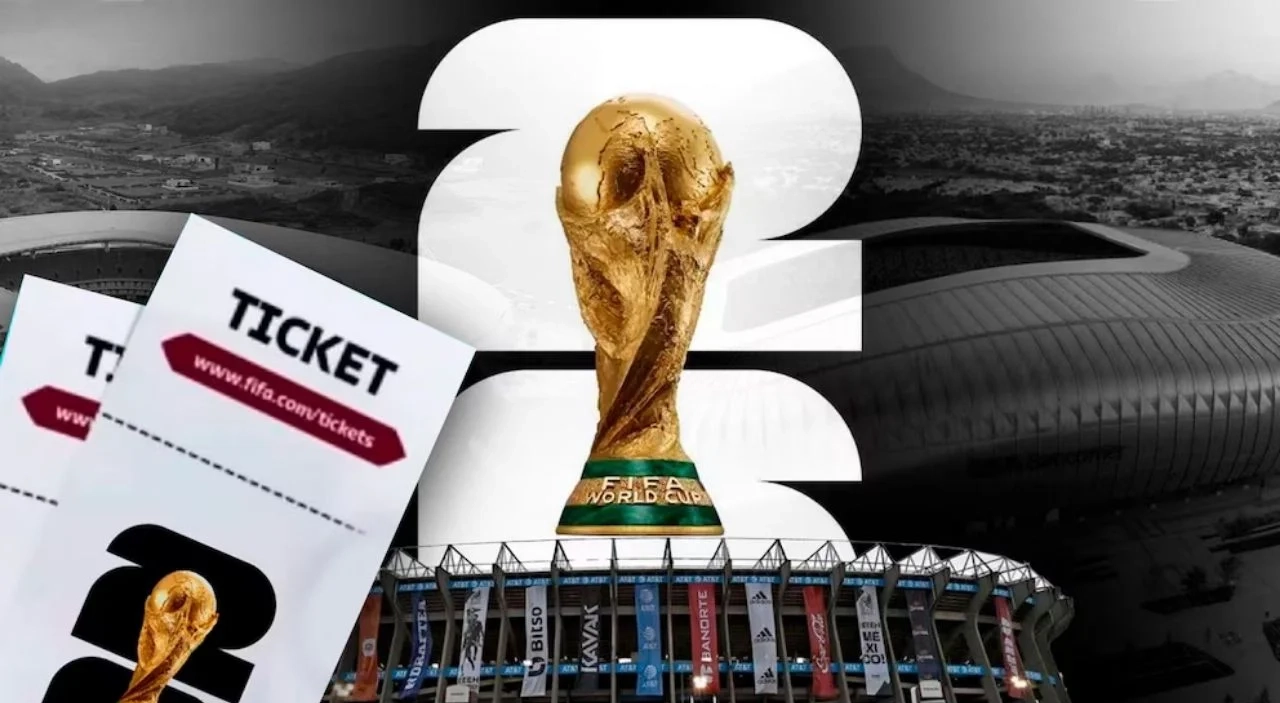
FIFA opened a fresh inventory drop for the 2026 World Cup on April 22, marking the start of the tournaments Last-Minute Sales Phase and coinciding with the 50-day countdown to kickoff. Tickets across all 104 matches were placed on sale via FIFA.com on a first-come, first-served basis, with stock available across categories one through three and the front-row seat tiers. FIFA confirmed that more than five million tickets have already been sold for the expanded 48-team format, putting the 1994 single-tournament attendance record of 3.5 million on track to be surpassed comfortably during the 39-day event.
The 2026 tournament, co-hosted by Canada, Mexico and the United States, is FIFAs first sold-out World Cup at the global sponsorship level before kickoff, with all 16 partner positions across Tier 1 and Tier 2 confirmed. Marketing and sponsorship revenues are projected at $2.5 billion to $3 billion and broadcast rights at approximately $3.92 billion, the latter representing a record for the tournament. On Location remains the exclusive hospitality provider, and Bank of America and Visa are running parallel cardholder ticket and sweepstakes activations through the spring.
The strategic significance lies in how FIFA is sequencing the consumer ticket inventory to maximize both revenue capture and demand visibility. By staging ticket releases as discrete drops rather than a single allocation, the federation is building real-time pricing and matchday demand data across the tournaments 16 host cities. That data will inform secondary-market policy, dynamic-pricing trials at future tournaments and the negotiating posture FIFA brings to its next-cycle commercial discussions. The use of digital queues and account-based fan IDs also shifts the federation away from broker-dependent distribution.
The downstream consequences extend well beyond ticketing. Domestic broadcasters in the United States, Canada and Mexico will use the matchday demand profile to set ad rate cards, and tournament sponsors are now finalizing local activation plans against confirmed attendance projections. Host-city economic forecasts, which inform public-funding commitments at municipal level, will be recalibrated as ticket volumes solidify. For the next World Cup cycle, the 2026 sales performance will set the benchmark FIFA brings to the 2030 centenary tournament and the 2034 Saudi Arabia hosting agreement, both of which already face higher commercial expectations than the 2022 Qatar edition.