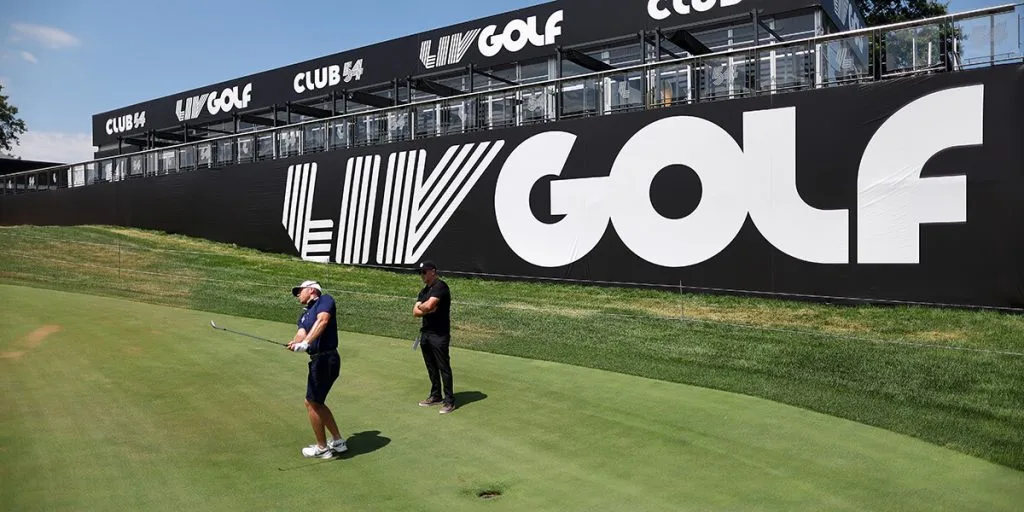
Saudi Arabias Public Investment Fund confirmed it will cease financing LIV Golf operations after the conclusion of the 2026 season, ending a relationship that saw PIF invest more than $5 billion into the breakaway tour since its launch in 2022. PIF Chairman Yasir Al-Rumayyan, who co-founded LIV alongside Greg Norman, stepped down from the organisations board in the weeks following the announcement. A newly constituted independent board of directors, led by restructuring specialists Gene Davis of Pirinate Consulting Group and Jon Zinman of JZ Advisors, has taken control of LIVs strategic direction.
With boutique investment bank Ducera Partners advising on the process, LIV is actively seeking between $250 million and $350 million from new investors, presenting a restructured business plan built around a ten-event annual international schedule. The organisations pitch to prospective backers projects a path to profitability within approximately twenty months assuming full capital is raised, or within three years on a more conservative funding scenario. Bloomberg reported in May 2026 that LIV had also begun evaluating Chapter 11 bankruptcy as a contingency tool for restructuring its substantial player contract obligations and resetting its cost base ahead of any future operating phase.
The PIF withdrawal exposes a structural flaw at the core of LIVs original model: the tour was designed as a vehicle for Saudi Arabias sportswashing and diplomatic objectives rather than as a self-sustaining sports business. Without sovereign wealth funding, the economics of operating a rival tour with guaranteed contracts and no established media rights income are extremely challenging. LIV has never secured a meaningful domestic broadcast deal in the United States, and its digital viewership figures have consistently lagged the PGA Tours linear and streaming numbers.
The implications for professional golf extend well beyond LIVs survival. If the tour secures new investors and continues operating, the fragmentation of elite professional golf will persist, complicating the PGA Tours own sponsorship and broadcast conversations. If LIV enters bankruptcy or dissolves, the question of whether its contracted players, including a number of major champions, can return to PGA Tour membership on existing terms will become one of the most consequential governance decisions in the sports modern history. Either outcome restructures the competitive and commercial landscape of global golf in ways that will take years to resolve.