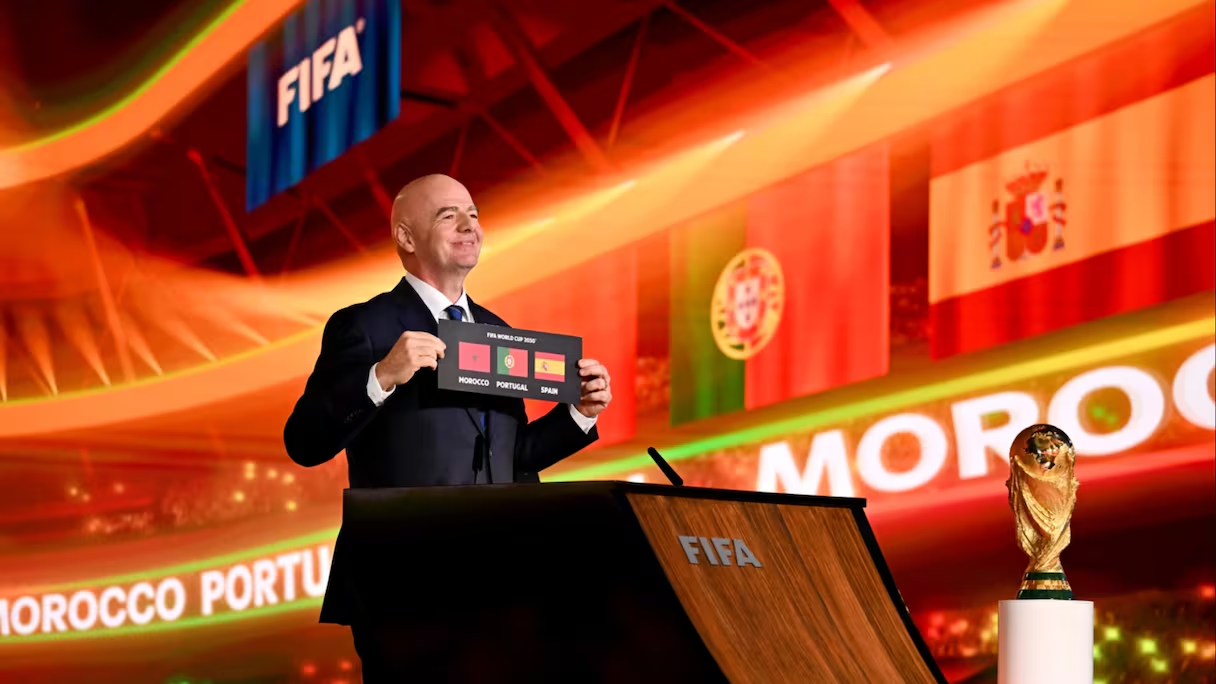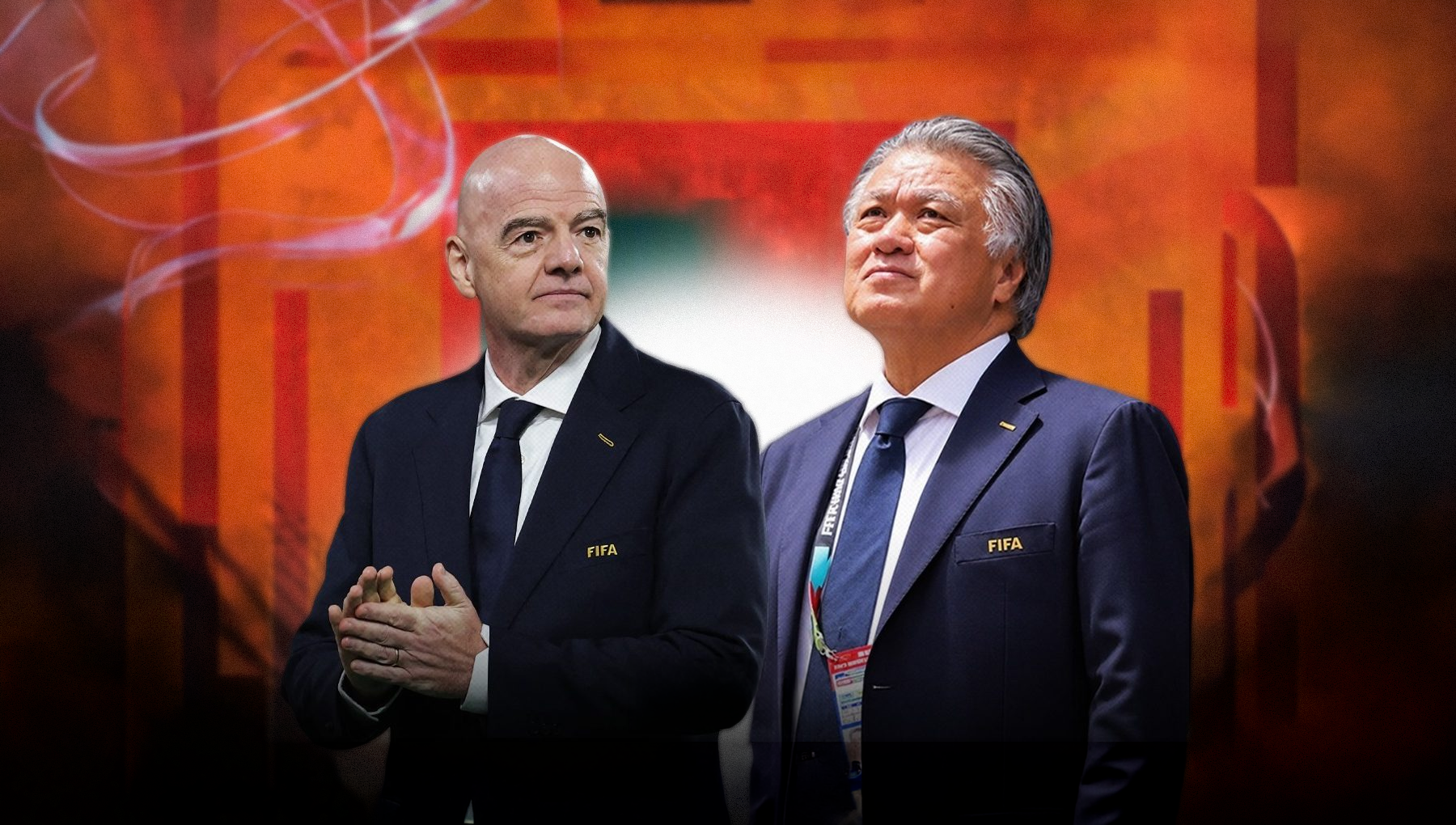
Kozo Tashima, honorary president of the Japan Football Association, announced on November 5 that he intends to stand against Gianni Infantino in the FIFA presidential election on March 18, 2027 in Rabat. He is the first Japanese candidate for the post and the second declared challenger after former Swiss international Ramon Vega. Candidates need nominations from five member associations by November 18.
Tashima, 68, has sat on the FIFA Council since 2015 and led the JFA from 2016 to 2024. He has said governance is FIFAs biggest problem and rated his chances of winning at 20 to 30. He reports contact from officials in eight countries but no formal endorsement yet, and he is seeking six nominations to guard against paperwork issues. Infantino, seeking a fourth term, received a public endorsement from the head of the Asian Football Confederation in October, and the Caribbean Football Union backed him on November 6 after two visits to the region. Support from several confederations leaves him well placed among FIFAs 211 member associations.
The contest follows the most serious challenge to Infantinos authority since he took office in 2016. In July he failed to bring private investors into a new FIFA commercial entity holding rights linked to competitions including the World Cup, a plan that drew opposition from member associations. The episode turned FIFAs commercial model, rather than the tournament calendar, into the central election issue. Two weeks before Tashimas announcement, FIFA also opened its 2030 World Cup US media rights to tender, and the governing bodys pending sponsorship and broadcast cycles will be negotiated by whoever wins in March.
The structural reality is that FIFA elections are decided by development funding rather than by commercial reform. Each association has one vote, and Infantino has expanded development funding, announcing in October a $6.35 billion fund for 2027-30 worth $25 million per association. A challenger built on governance arguments must persuade federations that a different leadership would protect those flows. Tashimas realistic aim may be to force commitments on transparency and investor policy rather than to win outright.
For sponsors and broadcasters, the significance lies in predictability. A contested election, even one Infantino is expected to win, raises scrutiny of FIFAs commercial decisions through the first quarter of 2027, when the 2030 US rights award and several partner renewals fall due. McDonalds exit from FIFA sponsorship last month showed partners are already reassessing value. Brands with exposure to FIFA will want governance and morality protections written into contracts, and rights holders bidding for 2030 will price the possibility of further changes to FIFAs commercial structure.