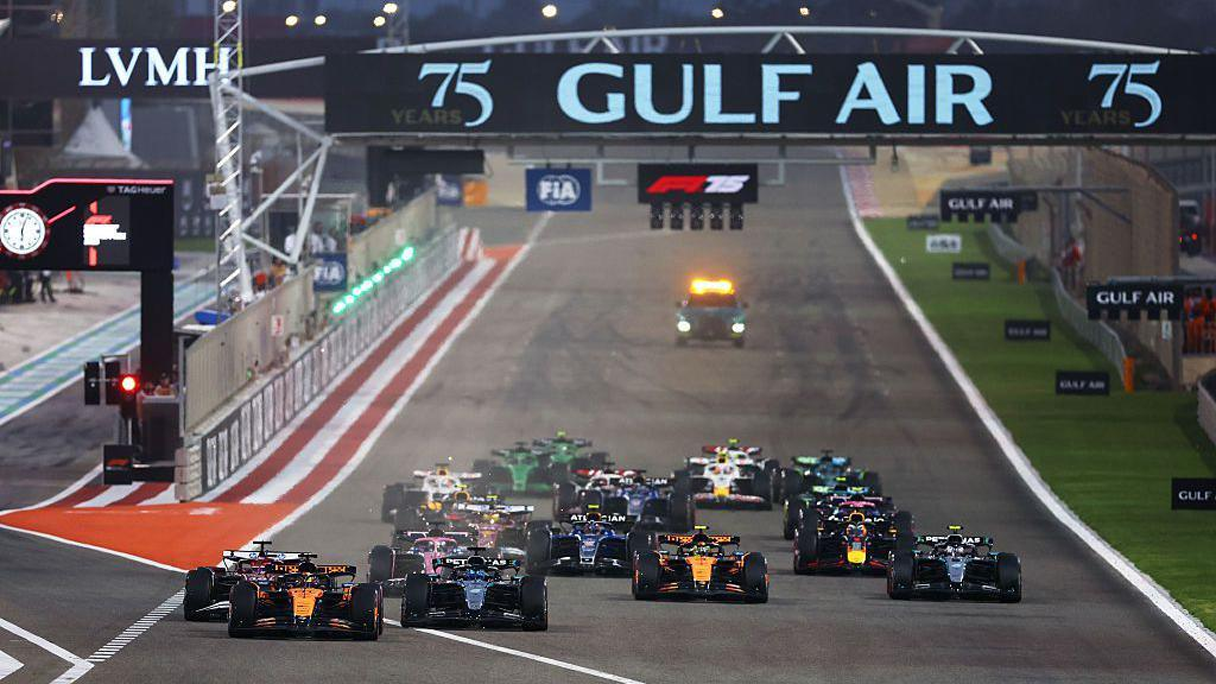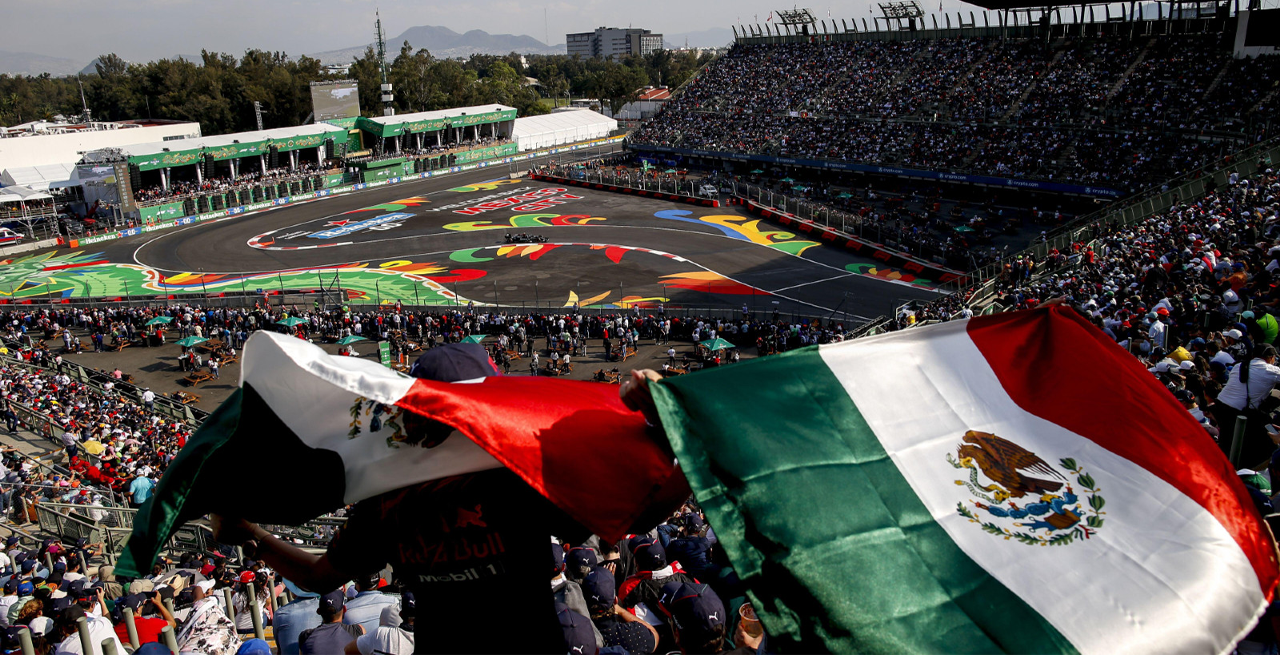
The 2026 Mexico City Grand Prix drew 405,363 spectators across three days at the Autódromo Hermanos Rodríguez, a record for the event since its return to the Formula 1 calendar in 2015. Organisers reported 102,122 on Friday, 147,889 for Saturday qualifying and 155,352 on race day, edging the previous mark of 404,958 set in 2024 by 405 admissions and exceeding the 401,326 recorded in 2025.
The weekend combined two commercial drivers. Sergio Pérez returned to his home race with Cadillac, the General Motors-backed team in its debut season, and completed his 300th Grand Prix; tickets had sold out across all sale phases. Pérez started 20th and finished 16th after a wheel-gun failure and a pit-lane speeding penalty. The race also settled the title: Max Verstappen won and Mercedes Kimi Antonelli finished third to become the youngest drivers champion in the sports history, at 20, and the first Italian champion since Alberto Ascari in 1953. Promoter CIE holds a contract with F1 through 2028, and the event was reported in 2025 to contribute around AUD$47 million a year to Formula One Management. Mexico Citys chamber of commerce, Canaco CDMX, estimated economic impact of MXN 22.2 billion, including MXN 8.4 billion from ticketing, against MXN 19.84 billion reported for 2025.
The margin is narrow, but the composition matters. The 2025 edition, without Pérez on the grid, still drew more than 400,000, which indicates that base demand is structural rather than dependent on a single driver. The 2026 gain came on the competition days, with Saturday and Sunday each above 145,000. That profile, a capital-city venue with a stadium section, an active public-sector partner and a national figure driving for a US-owned team, gives the promoter a stronger position in the renewal talks that must precede the 2028 expiry, at a time when F1 is adding new hosts and testing the value of established races.
For the wider market, Mexico reinforces the Americas as F1s most reliable attendance region, while Middle East rounds remain under security review. Cadillacs presence creates a direct US-Mexico commercial axis for sponsors targeting Hispanic audiences on both sides of the border. Antonellis title, secured in Mexico City, also gives Mercedes a new commercial asset in Italy, a market traditionally aligned with Ferrari. The open question for the promoter is pricing. With demand at capacity, further revenue growth depends on hospitality, premium inventory and ancillary programming rather than on additional admissions.