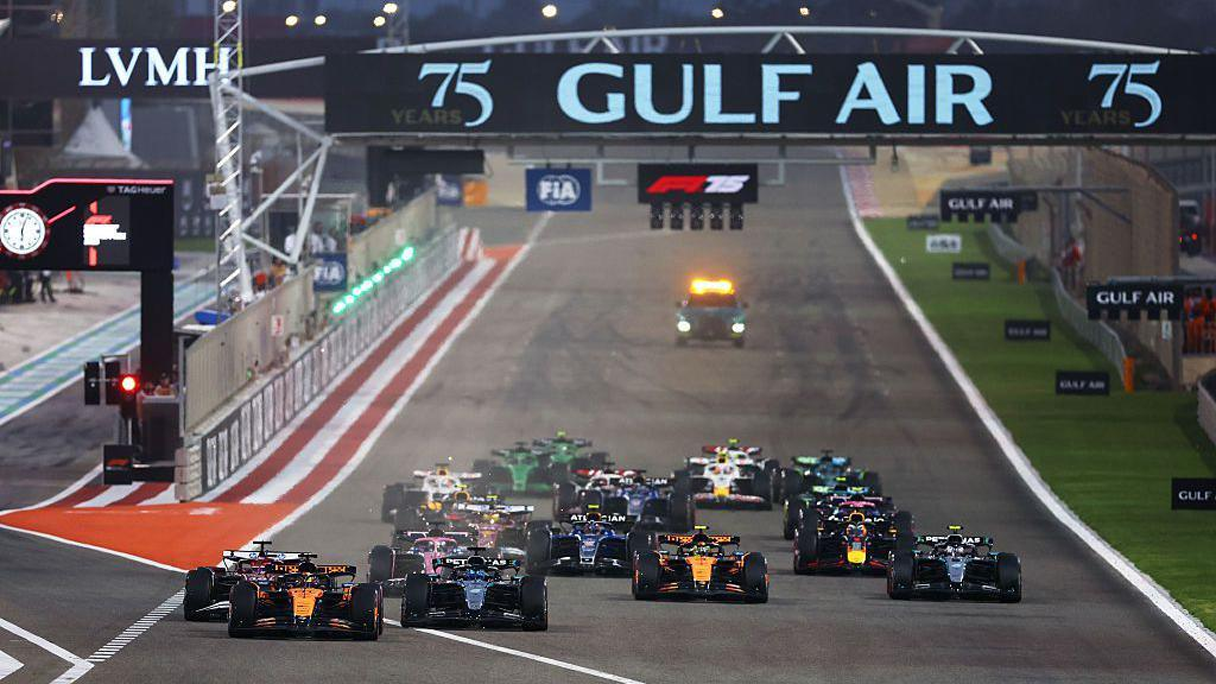
Escalating regional conflict is forcing sports properties to reassess their exposure to the Gulf. After a Houthi strike on Riyadhs international airport killed at least 12 people this month, the Asian Tour postponed the $5 million Saudi International golf event indefinitely, the Urban Cycling World Championships in Riyadh were cancelled, FIFA postponed its FIFAe Finals in Jeddah and the Six Kings Slam tennis exhibition moved to late December. Formula 1 and MotoGP are proceeding with their Gulf rounds.
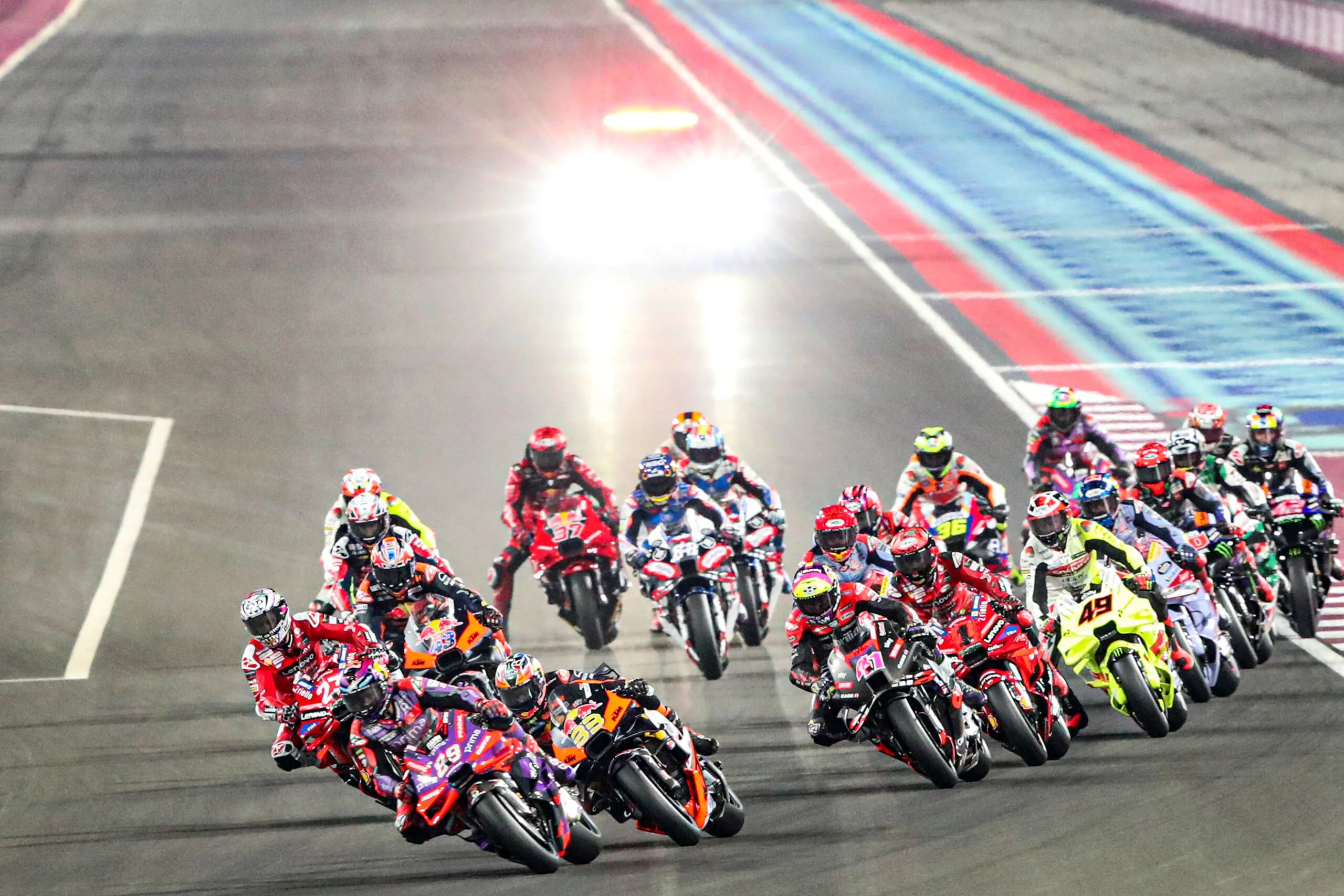
FIA president Mohammed Ben Sulayem said on October 20 that F1s final two races, in Qatar and Abu Dhabi, are going to happen, while confirming that Imola remains on standby and that a reserve FIA team is ready if travel advice keeps key staff away. F1 had already called off its April races in Bahrain and Saudi Arabia at the hosts request. MotoGP, also owned by Liberty Media, will race at Lusail on November 6–8, a date already moved from April, although Gresini rider Alex Márquez publicly questioned whether safety can be guaranteed. SailGP ends its season in the region, with Dubai on November 21–22 and a $2 million winner-takes-all final in Abu Dhabi on November 28–29. The Asian Cup in Saudi Arabia remains set for January, though the AFC president said a move to 2028 is possible.
The strategic issue is concentration. Over the past decade, Gulf hosting fees, title sponsorships and sovereign investment have become a significant source of revenue for motorsport, golf, tennis and football. That money now carries a security risk that is hard to insure and a fiscal risk that is already visible: Saudi Arabias Public Investment Fund has withdrawn funding from LIV Golf, shelved the 2029 Asian Winter Games and, according to Semafor, plans to drop five of the 15 stadiums planned for the 2034 World Cup. Rights holders that built their calendars around Gulf season finales, as F1, MotoGP and SailGP have, face cancellation, insurance and broadcast-scheduling costs at once if events are moved later in the calendar.
The likely response is diversification. The WTA has already moved its Finals from Riyadh to the United States, and the ATPs planned Saudi Masters 1000 will face closer scrutiny from players and sponsors. Promoters can be expected to write stronger force majeure, relocation and fee-protection clauses into Gulf contracts, and alternative hosts in Europe, Asia and the Americas gain bargaining power. For properties whose margins depend on Gulf fees, the question is no longer whether to keep the relationship but how much of the calendar should rest on it.