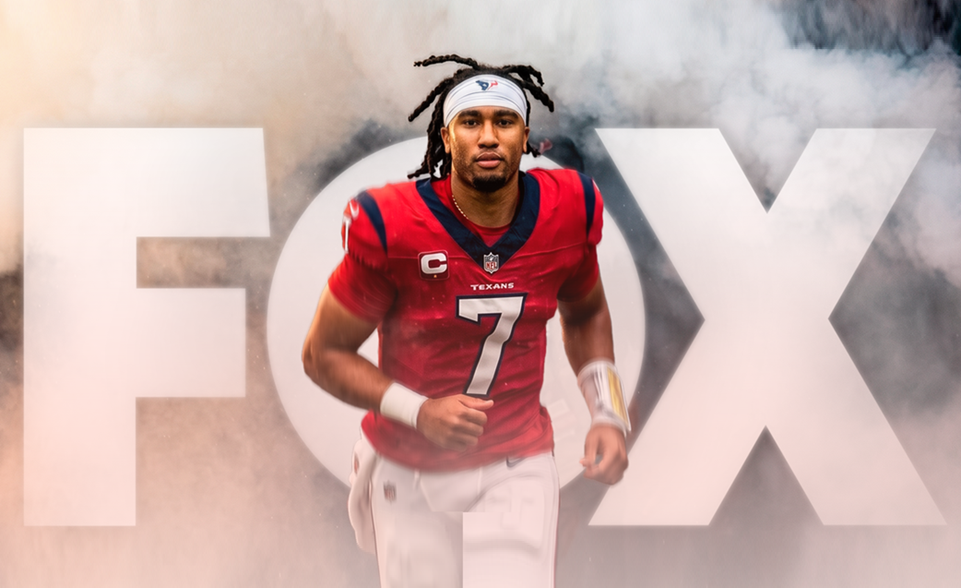
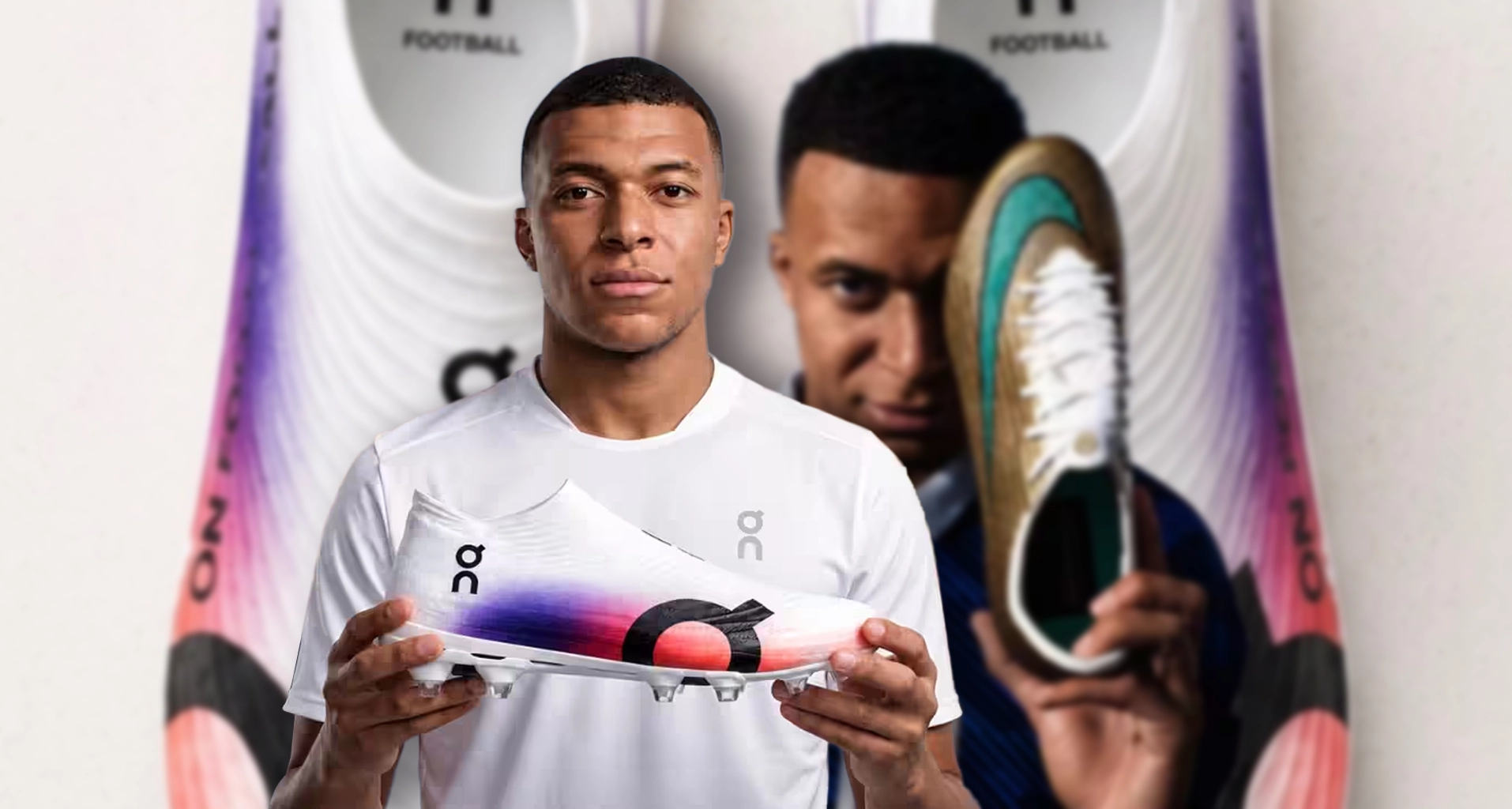
Kylian Mbappé ended a twenty-year relationship with Nike on 18 September to become the face of Ons entry into football, in an agreement that includes an equity stake in the Swiss sportswear company. Financial terms were not disclosed. Alongside the ambassador role, Mbappé will work directly with Ons product teams on boots and apparel, with the brands first football boots scheduled for 2027.
Nike had signed Mbappé as a teenager and built a substantial part of its football marketing around him through his moves to Paris Saint-Germain and Real Madrid. The departure follows a pattern of losses for a business that has been restructuring its sports marketing spend, and it leaves the company relying on Erling Haaland as its principal anchor in the category. On, by contrast, has no football heritage at all. The company grew from a Swiss running brand into a global performance label substantially on the back of Roger Federers 2019 investment, which converted a celebrity endorsement into a shareholding and a product development role. The Mbappé agreement is explicitly modelled on that structure, and the awkwardness of the transition was visible immediately: Mbappé covered the branding on his Nike boots during the Madrid derby after the announcement.
The equity component is the substantive shift. An endorsement fee is an operating expense that buys attention for a contracted term; a shareholding is a claim on enterprise value that aligns the athlete with the brands growth over a horizon longer than his playing career. For a challenger entering a category dominated by two incumbents, equity is also the only currency that competes. On cannot outbid Nike or Adidas in cash for a player of this standing, but it can offer participation in the upside of a category launch, which is a proposition neither incumbent can credibly make because neither is launching anything. What On is buying is not visibility but legitimacy: the fastest route into football credibility is a player whose presence certifies that the product is serious.
This repositions how elite athlete deals will be priced. The leverage in these negotiations has moved from fee size to ownership participation, and agencies representing the top tier now have a demonstrated template for extracting it. The risk sits with the incumbents, whose scale makes equity impractical to offer and whose athletes can now compare a guaranteed cheque against a stake in a growth company. For On, the exposure is execution: the company has committed to shipping a competitive boot in 2027 into a market where technical performance is scrutinised obsessively, and a product failure would waste the credibility it has just purchased. For Nike, the loss is less about one athlete than about a signal that its capacity to retain generational talent through money alone has weakened.