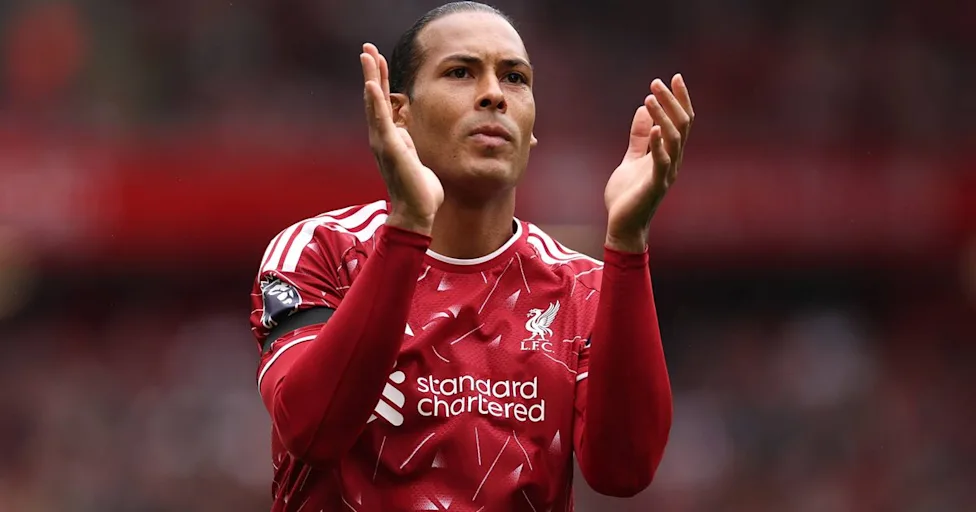
Liverpool announced on 8 September that Turkish Airlines will become its front-of-shirt sponsor from 1 June 2027 under a five-year agreement worth more than £300m, or roughly £60m per season. The club describes it as the most valuable front-of-shirt deal in Premier League history.
The agreement ends a 17-year relationship with Standard Chartered, which has occupied the position since 2010 at a reported £50m per season. The bank is not leaving: it moves to a Global Partner designation, retaining association with the club at a lower tier and a lower cost. Turkish Airlines becomes only the sixth front-of-shirt sponsor in Liverpools history and the third in 35 years, following Carlsberg from 1992 to 2010 and Standard Chartered thereafter. Liverpools Ben Latty said the front of the Liverpool shirt holds a special place in the history of our Club, while Turkish Airlines chief executive Ahmet Olmustur described Liverpool as one of the worlds most recognised and respected football clubs, with an exceptional heritage. The airline has leaned on the 2005 Champions League final in Istanbul as the narrative anchor for the partnership.
Two structural shifts sit inside the numbers. The first is categorical: aviation capital is displacing financial services at the top of the European shirt market, in the same period that Manchester United took a club-record sleeve deal reported above £20m a year from the fintech SumUp and Chelsea placed a stablecoin issuer on the front of its shirt. Banks bought football shirts to buy retail credibility in growth markets; airlines buy them to buy route awareness, and the second use case is holding its price better than the first. The second shift is contractual. Standard Chartereds retention as a Global Partner suggests the front-of-shirt slot is no longer the entry point to a club relationship but the apex of a tiered structure, which lets clubs monetise a displaced incumbent instead of losing it. That materially changes the economics of a rights tender.
The comparison that matters for the rest of the market is the ceiling this sets. Roughly £60m a season for a Premier League front-of-shirt deal establishes a reference point that Manchester City, Manchester United and Arsenal will negotiate against at their next renewals, at a moment when European media rights values are plateauing and clubs are increasingly dependent on commercial revenue for incremental growth. It also lands as regulation narrows the field of bidders: the UK governments consultation on unlicensed gambling sponsorship closed on 9 September, with legislation expected to extend restrictions beyond the shirt front to sleeves, training wear and perimeter advertising. As betting operators are pushed out of the inventory, the brands able to write nine-figure cheques for it become fewer, and the premium accrues to the small number of clubs with genuinely global reach.