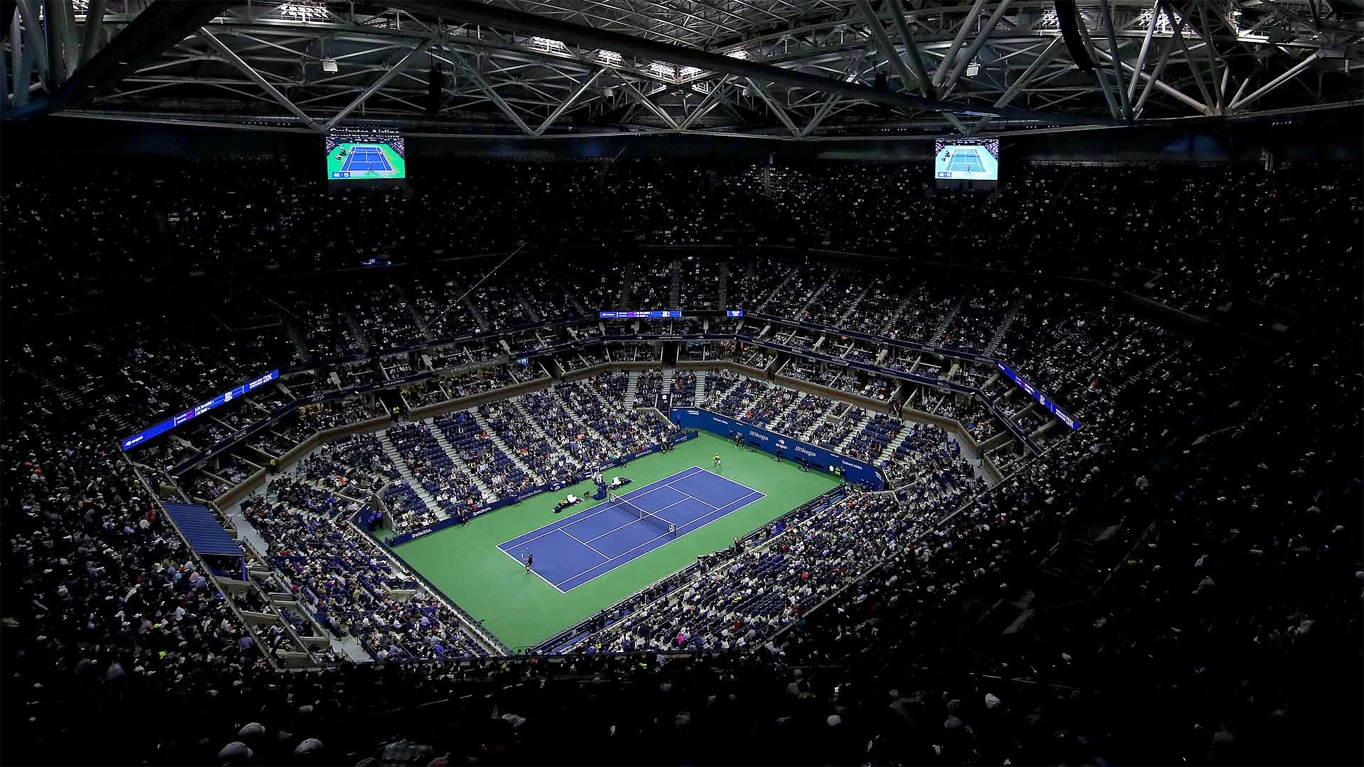
The US Open announced on 20 August that it will distribute 108 million dollars in player compensation at the 2026 championship, a 20 per cent increase on the 90 million paid in 2025 and 44 per cent higher than two years ago. Singles champions will receive 5.5 million dollars, first-round losers 140,000 dollars, and first-round qualifying 32,000 dollars. On the same day, all four Grand Slam tournaments jointly announced the formation of a Grand Slam Player Advisory Council.
The announcements answer eighteen months of organised pressure. In March 2025 the top ten players on both tours signed a letter to the four majors seeking a larger share of tournament revenue; a second letter followed on 30 July 2025 with specific demands, including raising the players share from a stated 16 per cent to 22 per cent by 2030 and lifting pension, health and maternity provision to 12 million dollars per Grand Slam annually by the same date. The Professional Tennis Players Association expanded its antitrust litigation in January 2026 to name Grand Slam organisers as defendants. Reports through July 2026 described discussion of a player boycott of the US Open mixed doubles event. The 20 August package includes a two million dollar player welfare fund split equally between men and women, which Sportcal reported comes out of the overall prize pool rather than sitting on top of it.
That detail defines the settlement. Front Office Sports calculates the 108 million dollars at 19.3 per cent of the US Opens 559.7 million dollars in operating revenue for 2024, which moves the tournament close to the players stated target on the headline number while leaving the mechanism untouched. An advisory council is a consultation forum, not a bargaining unit: it has no defined revenue formula, no arbitration route and no capacity to bind the four majors; its composition is still being designed, and it does not begin work until after this years championship concludes. The Slams have conceded on price and retained control of process, which is the outcome any rights holder facing collective action would choose. The distribution is also revealing, with first-round prize money rising 27 per cent against a 10 per cent increase for champions, targeting the lower-ranked players whose economics sustain the tour and whose support any organised action requires.
The precedent now sets the terms for the other three majors. Melbourne, Paris and London face the same demands with the benchmark publicly established, and each will be measured against a percentage rather than against its own prior-year figure. For the PTPA, an employer-designed consultation body complicates the argument that players lack a voice while doing nothing to resolve the antitrust claim. The ATP and WTA tours face a widening gap between Grand Slam and tour-level compensation that will surface in their own negotiations. Tennis has priced its labour dispute without changing who sets the price.