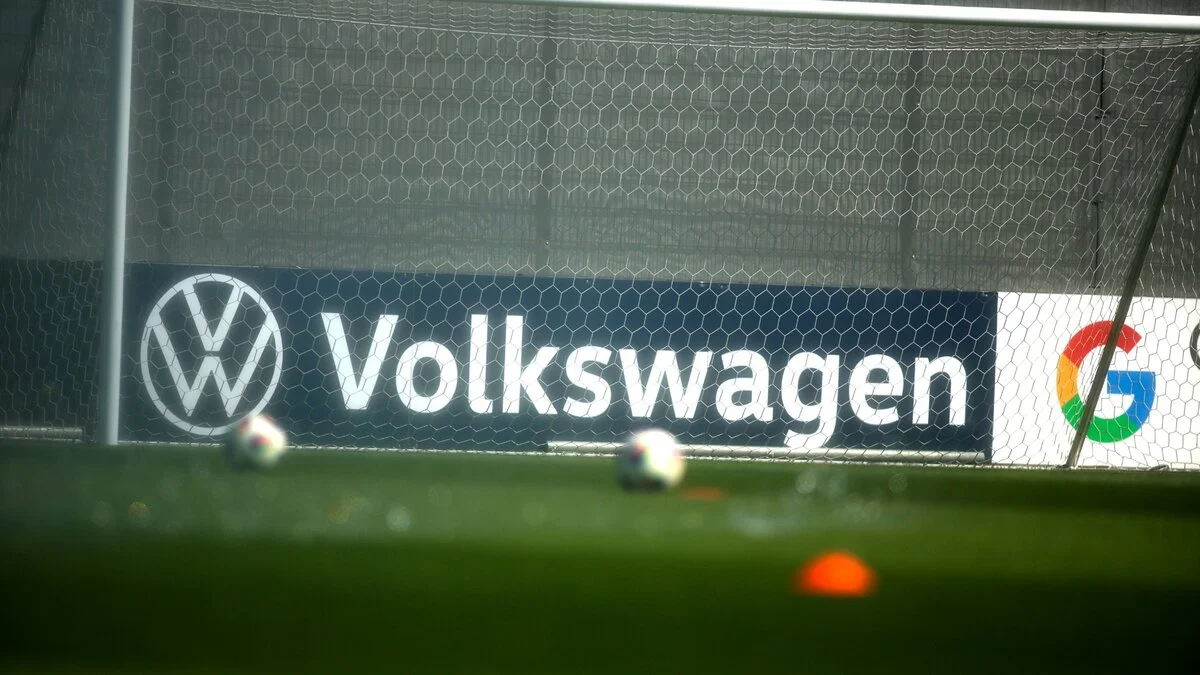
Volkswagen has announced a consolidated automotive sponsorship strategy across European football, becoming the primary automotive partner for Serie A Italy, LaLiga Spain, and LigaF womens football, supplementing existing partnerships in domestic markets. The strategy represents a marked shift in automotive brand positioning: car manufacturers traditionally pursued fragmented sponsorships individual team partnerships, racing, but Volkswagens league-level consolidation signals automotive brands now view football as an integrated strategic platform for corporate messaging, sustainability narrative deployment, and consumer engagement across geographies. This centralization reflects automotive industry dynamics: as the sector transitions from internal combustion to electric vehicle production, car manufacturers require premium platforms for sustainability storytelling and youth audience engagement.
Volkswagens multi-league sponsorship strategy enables the automotive manufacturer to present a unified corporate narrative across European markets. Rather than maintaining separate sponsorships in Italy, Spain, and womens football, Volkswagen can now coordinate brand messaging around themes electrification, sustainability, inclusivity across all three properties simultaneously. This consolidated approach reduces sponsorship complexity, enables economies of scale in marketing execution, and amplifies brand reach by creating a football ecosystem where Volkswagen is visible across multiple geographies and audience segments. For leagues—Serie A, LaLiga, LigaF—Volkswagens consolidated partnership provides revenue stability and demonstrates to other multinational brands that league-level partnerships enable scale advantages over fragmented team sponsorships.
The automotive sectors accelerating sponsorship concentration in football reflects competitive positioning in electric vehicle markets. Volkswagen, Mercedes, BMW, and Audi are investing billions in EV development and market share acquisition. Football sponsorships enable these manufacturers to communicate sustainability credentials, innovation positioning, and brand premium to younger, urban audiences likely to become EV adopters. By sponsoring womens football LigaF specifically, Volkswagen signals corporate commitment to womens sports and inclusive brand positioning—messaging that resonates with EV consumers, who skew younger and more socially progressive than traditional automotive audiences. This strategy positions automobile manufacturers not as legacy industrial companies but as modern, values-aligned brands competing for premium market positioning.
The precedent also signals automotive sector consolidation in sports sponsorship. If Volkswagens multi-league strategy succeeds—generating measurable consumer engagement and brand sentiment lift—rival manufacturers will pursue similar approaches, potentially creating competitive bidding for multi-league sponsorships. This dynamic could reshape European footballs sponsorship landscape: instead of individual teams securing automotive partnerships, leagues will become primary sponsorship gatekeepers, controlling access to automotive brands and potentially commanding premium pricing from manufacturers seeking integrated multi-property platforms. For leagues, this represents opportunity to consolidate sponsor relationships, increase pricing power, and reduce portfolio fragmentation. For teams, this represents potential revenue loss if automotive partnerships migrate from individual franchise level to league level.