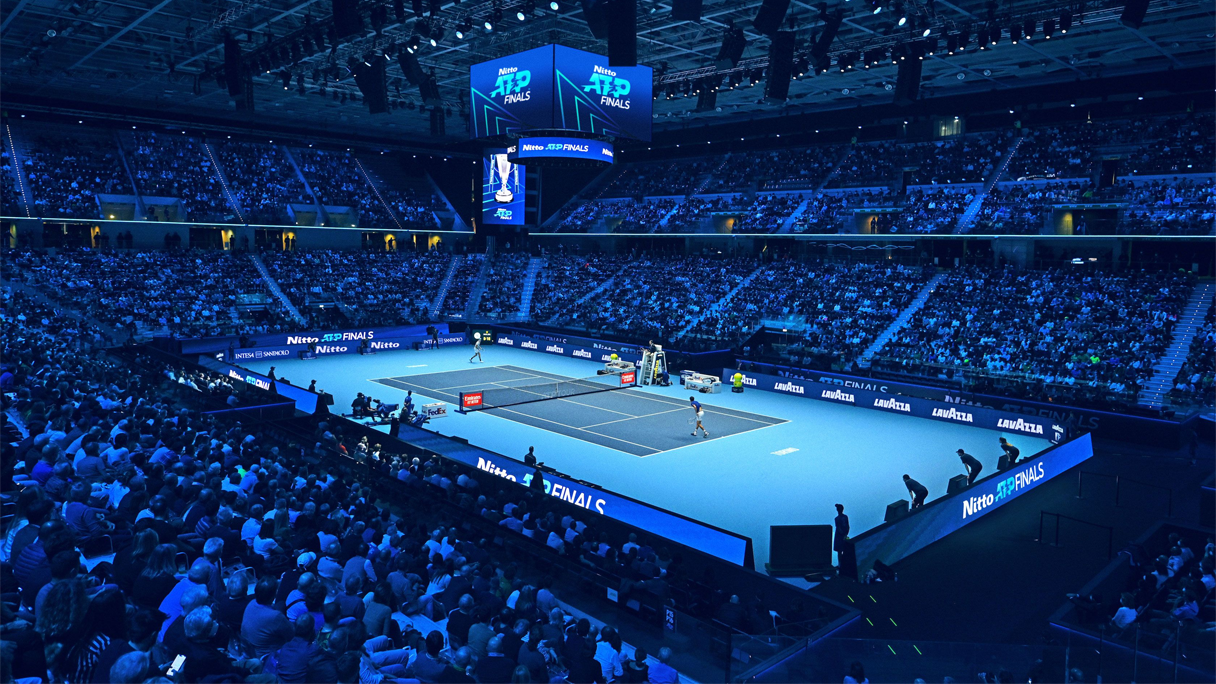
The ATP has proposed raising its central investment in player compensation and support to more than $100 million a year from 2028, as the next phase of its OneVision strategy. In an open letter published on October 15, chairman Andrea Gaudenzi said the package will be developed with the player and tournament councils and brought to the Tours year-end meetings in Turin for approval.
The proposal has three central components. The ATP Bonus Pool would rise from $21.5 million to $50 million, a new $25 million year-end bonus would support players finishing in the Top 250, and the annual pension contribution would reach about $30 million, extended from 165 to 300 players a year. The pension fund already holds more than $425 million. Including on-site prize money and tournament profit-sharing, the ATP estimates total player compensation outside the Grand Slams at $350 million from 2028. Bonus payments would be based on rankings entering each mandatory Masters 1000, with eligibility requiring participation in at least four of those events, and the ATP plans to reduce the weight of smaller tournaments in rankings and create dedicated weeks for each tournament category.
The structure concentrates value where audiences and revenue are concentrated. By paying the Top 30 for appearing at Masters 1000 events, the ATP is effectively buying participation guarantees for its premium inventory, the product it sells to broadcasters and sponsors and the closest equivalent it controls to a Grand Slam. The Top 250 bonus and the pension expansion address the other end of the labour market and the issue at the core of the Professional Tennis Players Associations antitrust case against the tours: how players outside the elite are paid. A higher central payout also strengthens the ATP against alternative models, from Saudi-backed exhibitions to the premium-tour concepts floated by the Grand Slams.
The plan also shows the role of Gulf capital in tennis. A tenth Masters 1000 in Saudi Arabia, already announced, is part of the expansion of the top tier, and the Public Investment Fund is the ATPs rankings partner. That link now carries more risk after the regional escalation that moved the Six Kings Slam to December. For tournaments, the proposals mean higher central costs and more pressure on ATP 500 and 250 events to justify their calendar slots. For sponsors and media partners, a reward system tying star appearances to the biggest events should make Masters 1000 inventory more predictable and easier to price.