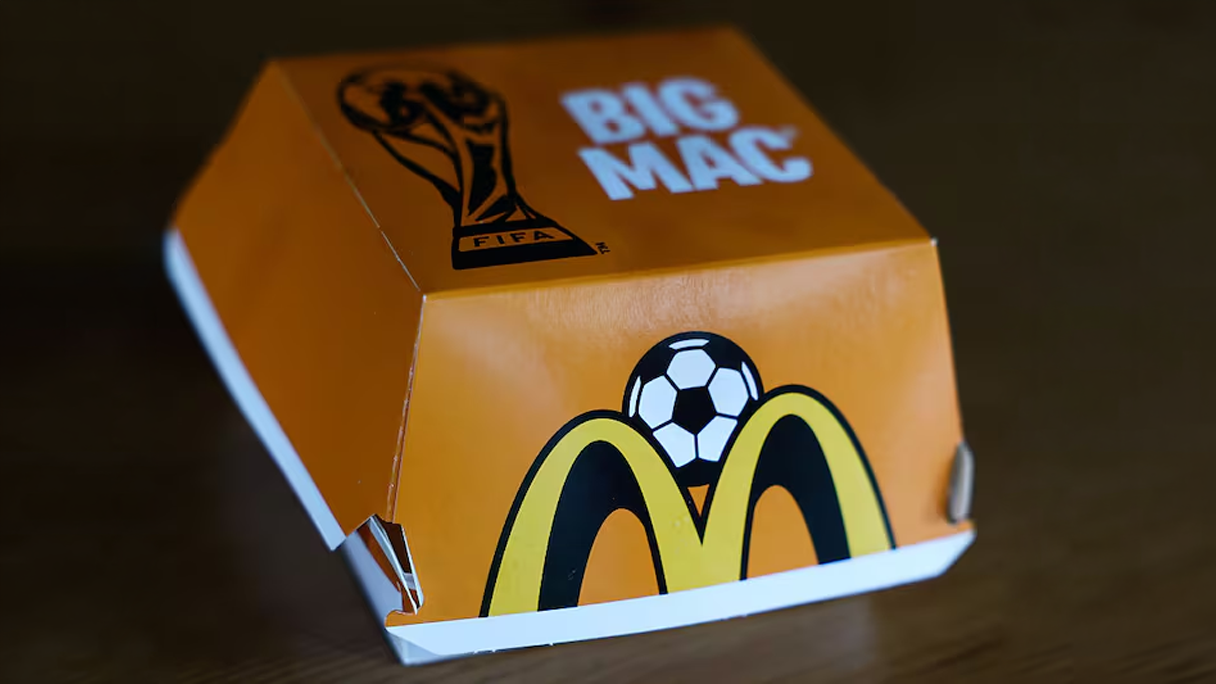
McDonalds is ending its sponsorship of the FIFA World Cup after 32 years, according to Adweek, which reported the decision on October 25 as part of an overhaul of the companys marketing model. The partnership began at USA 1994 and ends only months after the brands largest World Cup campaign.
That campaign, created by WiedenKennedy New York and run in more than 110 countries, was McDonalds biggest marketing push of 2026, timed to the first 48-team World Cup, co-hosted by the United States, Canada and Mexico. The commercial return did not match the scale of the investment. On the companys second-quarter earnings call, chief financial officer Ian Borden said the campaign provided a lift to the business and generated excellent system excitement but underperformed versus our expectations, and US growth slowed. McDonalds said the decision is unrelated to recent headlines about the association and that it will continue to invest in sport through other channels.
The decision reflects a recalculation many global brands are now making. A World Cup offers unmatched reach, but it concentrates spend into a few weeks every four years and demands a large activation budget on top of the rights fee. Year-round league, club and athlete partnerships deliver repeated exposure, measurable performance and local relevance, which is increasingly what consumer brands need to justify sponsorship against digital advertising. That McDonalds leaves after a World Cup in its home market, the most favourable conditions it could have had, sharpens the signal: if 2026 underdelivered in the brands largest market, the case for 2030 in Spain, Portugal and Morocco and 2034 in Saudi Arabia is weaker still.
For FIFA the timing is difficult. The organisation faces a governance dispute over the attempted sale of its commercial rights and an approaching presidential election, while it is simultaneously taking its 2030 US media rights to market. Even if the stated reasons are commercial, the loss of a 32-year partner in the restaurant category gives rival sales teams a reference point and may encourage other partners to renegotiate terms or shorten commitments. Not every brand is moving the same way: Valvoline extended its FIFA relationship this week as an official supporter of the 2027 Womens World Cup in Brazil. For rights holders, the lesson is that headline reach alone no longer sustains top-tier fees; partners want evidence of performance and activation that lasts beyond the tournament window.