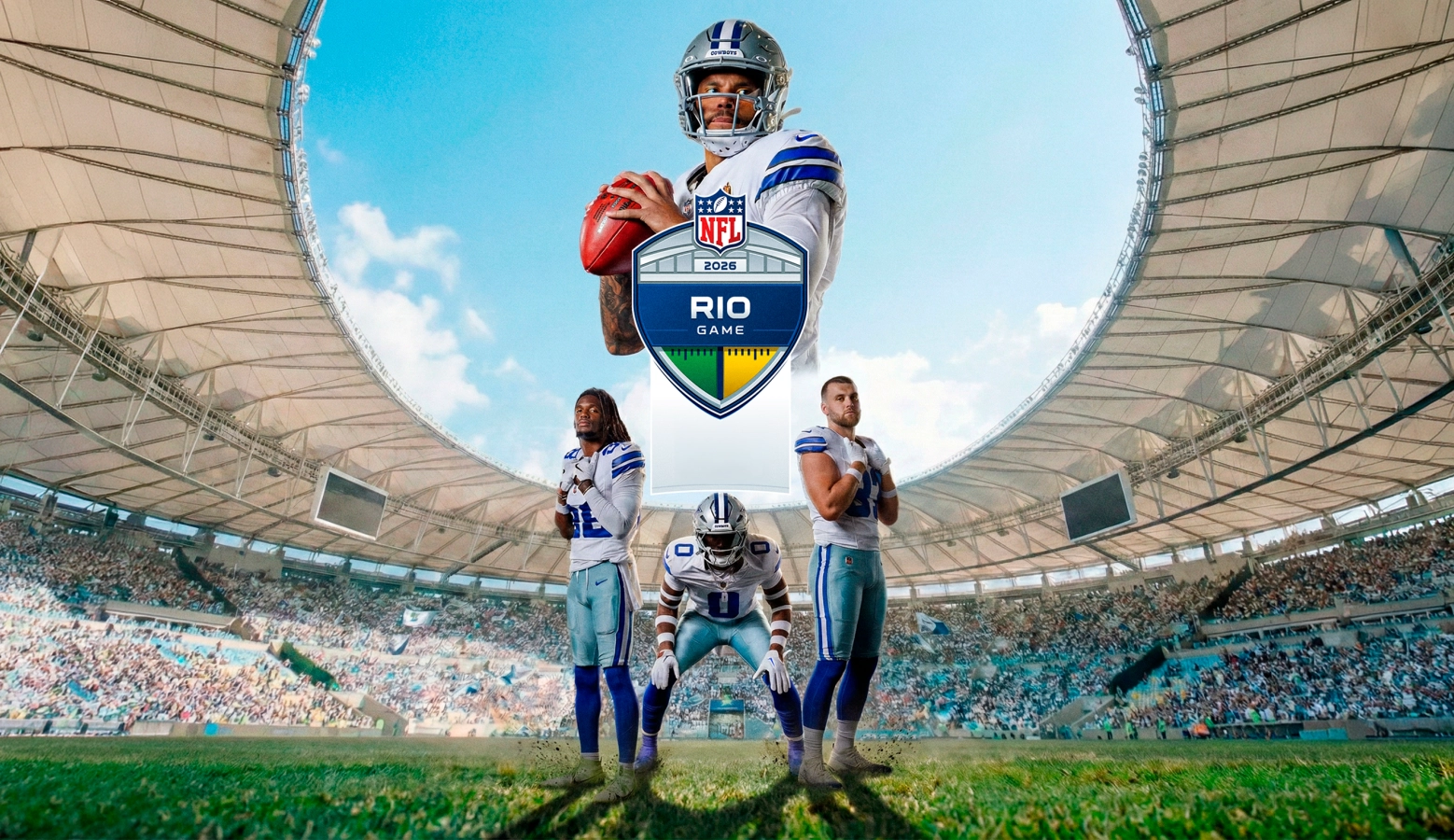
The NFL staged its first regular-season game at Rio de Janeiros Estádio Jornalista Mário Filho, better-known as Maracanã, on 27 September, with the Baltimore Ravens beating the Dallas Cowboys 34-31 on a 56-yard field goal as time expired. The fixture was the second stop on a nine-game international schedule, the largest in league history, and the first played under a commitment to hold a minimum of three regular-season games in Rio over five years beginning in 2026.
Brazil is the NFLs second-largest international market, with more than 36 million fans and a league office in São Paulo. The Rio game follows two seasons at Corinthians Arena in São Paulo, where the 2025 Chiefs-Chargers fixture drew 47,627 spectators and became the first NFL game distributed exclusively on YouTube, reaching 17.3 million viewers worldwide. The Maracanã, with a capacity of 78,800, is a substantially larger building, and the State of Rio de Janeiro is a direct partner in the event, with Governor Cláudio Castro confirming the states role in hosting. Four clubs hold Brazil marketing rights under the Global Markets Program: the Detroit Lions, Miami Dolphins, New England Patriots and Philadelphia Eagles. Tickets were sold through Ticketmaster from R$427 to R$6,187, roughly US$83 to US$1,205, with VIP packages distributed by On Location and a week of city-wide activations from 20 September. Official attendance had not been published at the time of writing.
The multiyear structure is the substance of the announcement rather than the game itself. A one-off international fixture is a marketing exercise; a guaranteed floor of three games across five years converts Brazil from an experiment into scheduled inventory that can be sold forward to sponsors, hospitality buyers and broadcasters on multi-season terms. That distinction also explains the broadcast allocation. CBS and Paramount took the US window, a result that surprised observers who expected NBC and Sunday Night Football to prevail. International windows have moved from experimental placements handed to streamers, as with Peacock in 2024 and YouTube in 2025, to contested assets that established US rightsholders now compete for. The league has learned that a foreign-market game with a 4:25pm ET kickoff is a domestic audience product first and an international one second.
The financial logic is visible in the leagues own targets. The NFL generates roughly $23bn in annual revenue and Commissioner Roger Goodell has set a $25bn objective for 2027. Domestic media and sponsorship inventory is close to fully monetised, which leaves international games, new territories and the Global Markets Program as the practical route to incremental growth. Nine games across eight stadiums and seven countries in a single season, with Melbourne, Rio and Paris added as new venues, is the operational expression of that arithmetic.
For the wider industry, Rio sets the template every league exporting inventory will now be measured against: a public-sector partner absorbing part of the cost, an iconic venue, a local broadcast partner in Globo, club-level marketing rights allocated in advance, and a multiyear floor that makes forward commercial commitments possible. It also puts the NFL in direct competition for Brazilian attention with the domestic football calendar and CONMEBOL club competitions, and it gives other properties a benchmark for what market entry costs and what it should return.