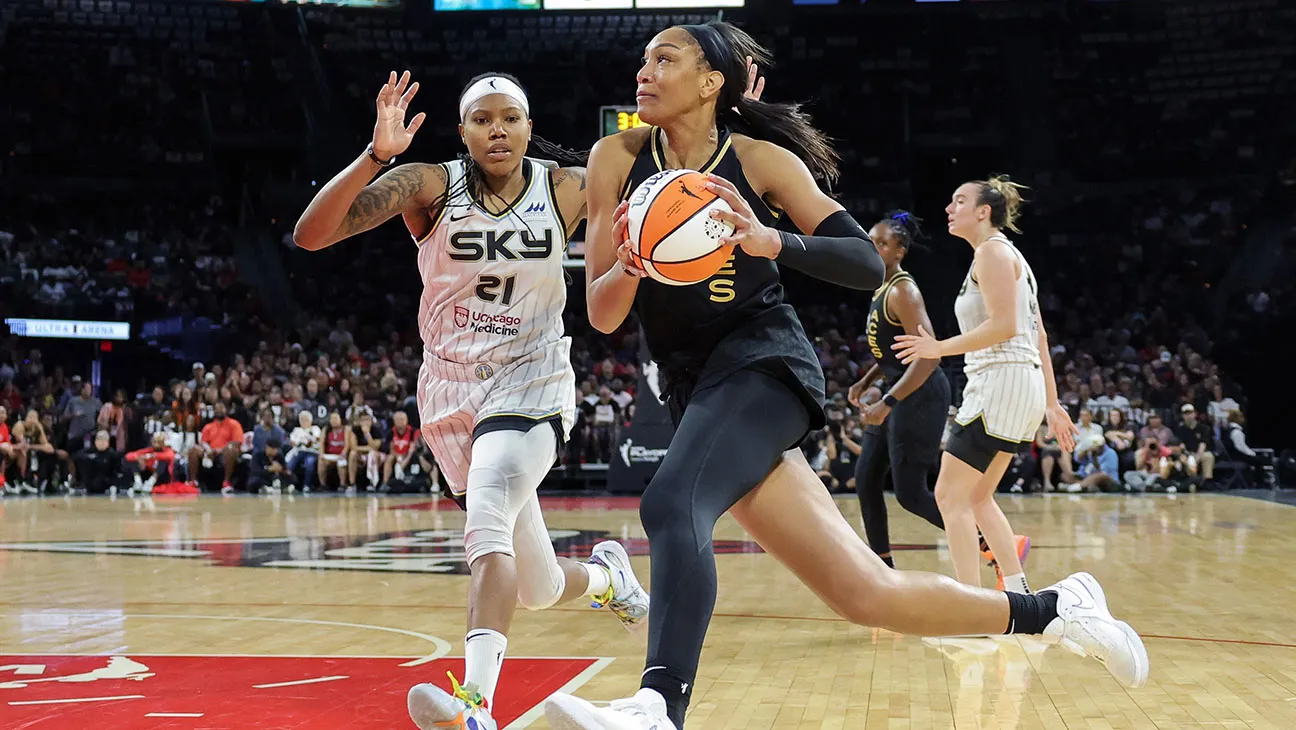
The 2026 WNBA season opened under the terms of the leagues landmark eleven-year, $3.1 billion media rights agreement, a deal that distributes broadcasting across Disney networks, NBCUniversal, Amazon Prime Video, CBS Sports, and USA Network. The structure delivers 216 national games across the regular season and replaces a previous arrangement that generated approximately $43 million per year in rights fees. Annual rights revenue under the new deal reaches approximately $281 million, an increase of more than six times the prior figure. The Finals, for the first time since 2000, will rotate across multiple rights holders rather than residing exclusively with a Disney property.
The agreement reflects a media market calculation that took several years to crystallise. The WNBAs previous rights structure, dominated by ESPN, concentrated both upside and exposure risk within a single partner. The new multi-partner model distributes that risk while simultaneously multiplying the reach of the product. CBS Sports has committed to its largest-ever volume of WNBA games on broadcast television, while USA Network, operating under a separate Versant agreement, will carry at least fifty games per season. Amazons involvement extends a pattern visible across Premier League, Champions League and tennis rights globally, where the platform uses premium live sport to drive Prime membership in markets where it competes for household entertainment spending.
The commercial significance of this deal extends beyond the WNBA itself. It establishes a rights fee baseline for womens professional sport in the United States that no comparable league had previously reached, and it does so not on the basis of legacy relationship or charitable programming obligation, but on the commercial logic of demonstrated audience growth. Viewership data from the 2024 and 2025 seasons, driven partly by the profile of players including Caitlin Clark and Angel Reese, provided rights-holders with sufficient ratings evidence to justify fees at this level.
The structural shift also has implications for league governance and player economics. A rights deal of this magnitude generates leverage in collective bargaining conversations and accelerates the argument that WNBA salary structures should be benchmarked against the revenue the league now produces. Teams operating in markets served by NBC and CBS Sports affiliates will also benefit from increased local exposure, which feeds into sponsorship and ticket sales cycles that have historically lagged the leagues national profile.